If you launched a game or application and received the message "Failed to load onlinefix64.dll from the list – error code 126," your system encountered a critical DLL loading failure. This error stops the program from running and will not resolve on its own. This guide explains exactly why this happens and walks you through every proven fix, starting with the fastest methods.
What onlinefix64.dll Does and Why Error Code 126 Appears
The DLL file itself is corrupted or has been deleted by antivirus software
A required dependency such as a Visual C++ runtime or DirectX component is missing or damaged
The system PATH environment variable does not include the directory where the DLL is stored
A driver conflict or outdated driver is preventing the DLL from initializing properly
Fix 1: Restart Your PC Before Anything Else
A restart closes all background processes, flushes memory, and resets DLL caches that may be holding a corrupted state
This resolves roughly 15 to 20 percent of transient DLL errors. Restart the machine, then relaunch the application before attempting any other fix
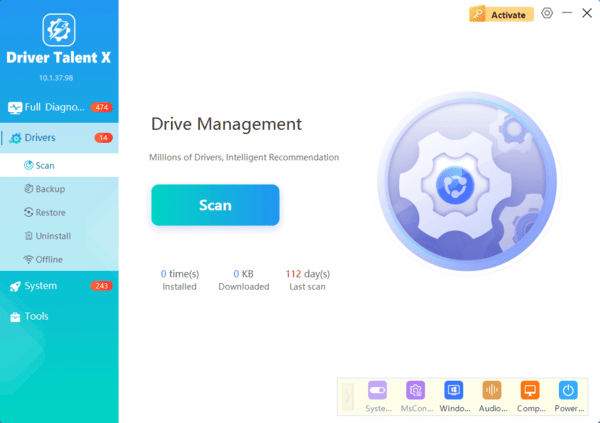
Fix 2: Update or Repair Your Drivers with Driver Talent
Driver conflicts are one of the most common and least obvious causes of DLL loading failures. A graphics driver, audio driver, or chipset driver that is outdated or partially corrupted can prevent DLL files from initializing correctly even when the DLL file itself is intact.
Driver Talent is a Windows utility designed to detect driver problems and DLL file issues together. It scans your installed drivers against a verified database, identifies conflicts, and repairs or replaces problematic drivers automatically. Its built-in DLL repair feature can detect missing or damaged DLL dependencies without requiring you to identify them manually
This approach is particularly effective when the error appears in games or applications that depend heavily on graphics and audio drivers, because these components share runtime libraries with DLL files like onlinefix64.dll
Fix 3: Reinstall the Application Cleanly
Incomplete installation or corrupted application files can leave DLLs in a broken state. A clean reinstall removes all leftover files from previous installations.
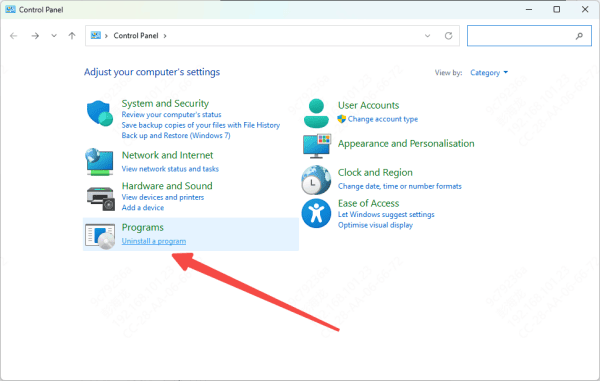
Open Run with Win + R, type appwiz.cpl, and press Enter. Locate the application in the list, right-click, and select Uninstall. After uninstallation, navigate to the application's installation folder and delete any remaining files
Download the latest installer from the official developer website
Right-click the installer and choose Run as administrator. This ensures the installation has the permissions needed to place DLL files in protected system directories
Fix 4: Reinstall Microsoft Visual C++ Redistributables
onlinefix64.dll depends on Microsoft Visual C++ runtime libraries to function. If these redistributables are missing, outdated, or corrupted, the DLL will fail to load even if the file itself is present and undamaged.
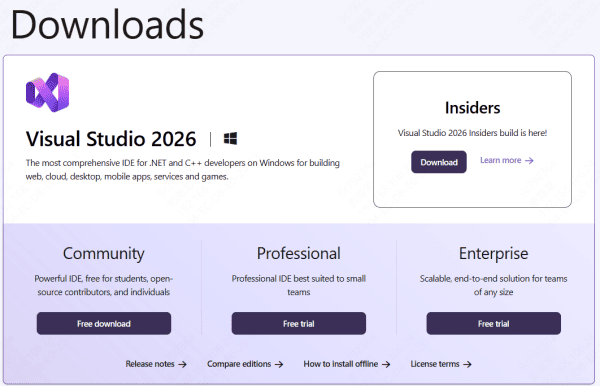
Go to the official Microsoft website and search for "Visual C++ Redistributable downloads"
Download and install all available versions, particularly 2015 through 2022. Install both the x64 and x86 versions even if you are running a 64-bit system, because some applications still use 32-bit components
Restart your PC after installation
Fix 5: Replace the onlinefix64.dll File Manually
If the DLL file has been quarantined or deleted, you will need to restore it manually.
Visit a trusted DLL repository such as dll-files.com. Search for onlinefix64.dll and download the version that matches your Windows architecture
For 64-bit Windows, copy the file to C:\Windows\System32. For 32-bit Windows, copy it to C:\Windows\SysWOW64. Open Command Prompt as Administrator. Type regsvr32 onlinefix64.dll and press Enter
A success message confirms the DLL has been registered with Windows
Fix 6: Run SFC and DISM to Repair System File Corruption
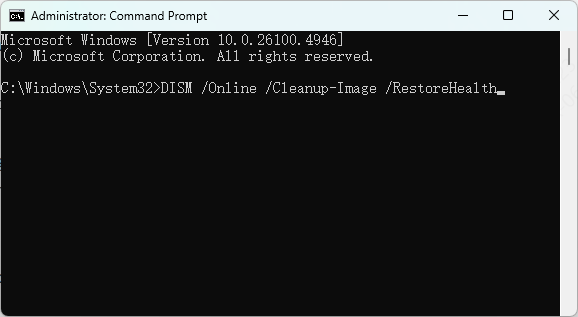
Windows System File Checker scans protected system files and replaces corrupted versions with cached originals. DISM repairs the Windows image used by SFC as its source. Run both in sequence.
Open Command Prompt as Administrator. Run sfc /scannow and wait for it to complete
If SFC reports errors it could not fix, run DISM /Online /Cleanup-Image /RestoreHealth next. After DISM finishes, run sfc /scannow a second time. Restart your computer
Fix 7: Verify System Environment Variables
Windows uses PATH environment variables to locate DLL files during program startup. If the directory containing onlinefix64.dll is not listed in the system PATH, Windows cannot find the file even when it exists.
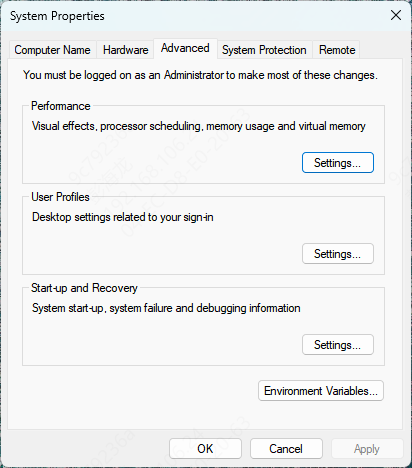
Press Win + S and search for Environment Variables. Open Edit the system environment variables
Click Environment Variables in the System Properties dialog. Under System variables, select Path and click Edit. Confirm that C:\Windows\System32 is present
If the DLL is stored in a custom application directory, add that path as well. Click OK and restart your PC
Fix 8: Whitelist or Temporarily Disable Antivirus
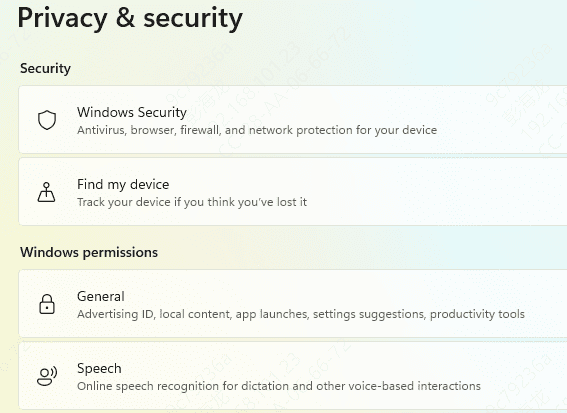
Security software sometimes quarantines DLL files incorrectly, particularly files associated with game launchers or peer-to-peer networking tools. If your antivirus removed or blocked onlinefix64.dll, the error will persist until you restore it
Open your antivirus quarantine or threat history log and look for any action taken on onlinefix64.dll. Restore the file if it was quarantined. Add the application's installation folder as an exclusion in your antivirus settings. Re-enable real-time protection after testing
Fix 9: Use Safe Mode to Isolate Software Conflicts
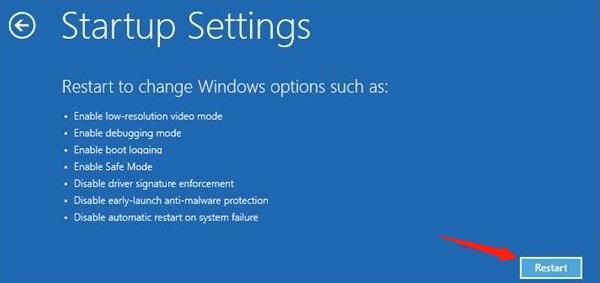
Booting into Safe Mode loads Windows with only essential drivers and services. If the application runs without the error in Safe Mode, a third-party startup program or background service is causing the conflict
Press Win + R, type msconfig, and press Enter. Go to the Boot tab and check Safe boot with Minimal selected. Apply and restart. Test the application in Safe Mode. If the error does not appear, use the Services tab in msconfig to identify and disable conflicting services one at a time
Fix 10: Use System Restore to Undo a Problematic Update
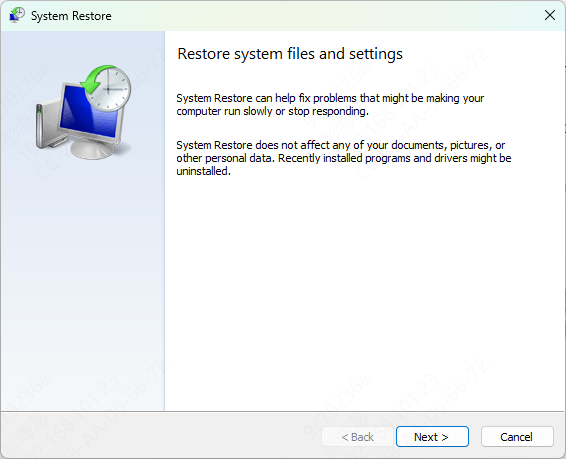
If the error started appearing after a Windows update, driver installation, or software change, System Restore can roll your system back to a point when everything was working correctly.
Press Win + S and search for Create a restore point. Open System Properties and click System Restore
Select a restore point from before the error first appeared. Follow the on-screen steps to complete the rollback. System Restore does not delete personal files but will reverse installed applications and system changes made after the selected date
Conclusion
The "Failed to load onlinefix64.dll – error code 126" error is consistently caused by one of four issues: a corrupted or missing DLL, a damaged driver, a missing Visual C++ runtime, or antivirus interference. Working through the fixes in the order listed above will resolve the error in most cases. For ongoing driver and DLL health, Driver Talent provides automatic detection and repair that prevents these errors from recurring after updates or new software installations.