If Windows 11 shows errors such as "dsound.dll missing," "dsound.dll failed to load," or "exception efcreateerror," the problem may be related to damaged DirectX components, corrupted system files, incompatible older applications, malware, or audio driver issues. These errors can prevent games and programs from launching correctly or cause sound-related failures. This guide explains several practical ways to fix dsound.dll errors, including reinstalli
ng the affected application, updating DirectX components, running SFC, checking compatibility settings, scanning for malware, and using Driver Talent to repair related driver problems. Avoid downloading standalone DLL files from unverified websites, as they may be unsafe or incompatible.
Causes of dsound.dll Errors
Missing or deleted dsound.dll file.
Corruption due to faulty program installations or malware.
Outdated or broken sound drivers.
Windows updates that conflict with DirectX components.
Improper registry entries referencing dsound.dll.
Fix methods
1. Reinstall the Program:
If the error is linked to a specific game or app, reinstalling often restores the required DLL.
2. Download DirectX Manually:
Even though Windows 11 comes with DirectX 12, some older apps require DirectX 9 components. Installing these ensures compatibility.
3. Run System File Checker (SFC):
Open Command Prompt (Admin) and type: sfc /scannow
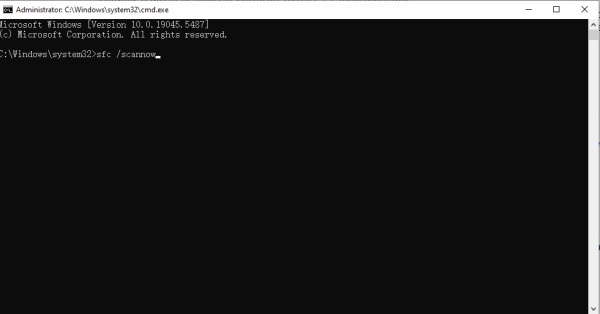
This scans and restores corrupted system files, including missing DLLs.
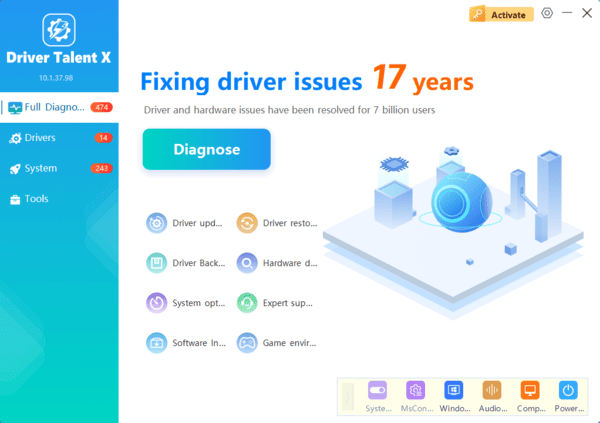
4. Repair Drivers with Driver Talent:
Instead of manually hunting for drivers, Driver Talent can repair outdated or broken drivers, reinstall missing files, and restore system stability in one click.
5. Re-register dsound.dll:
Open Command Prompt (Admin).
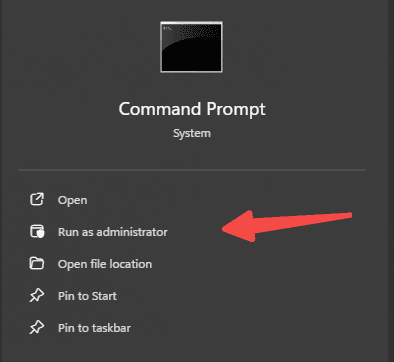
Type: regsvr32 dsound.dll
Press Enter to re-register the DLL file.
6. Scan for Malware:
Malware can replace or corrupt system DLLs. Run a full system scan using Windows Defender or third-party antivirus software.
Frequently Asked Questions
Is dsound.dll part of the audio driver?
No. dsound.dll is a Windows DirectSound component associated with DirectX. Audio drivers communicate with the hardware, so updating them may resolve related sound problems, but it does not directly replace the Windows DLL.
Why does regsvr32 dsound.dll return an error?
dsound.dll is not normally repaired by manual registration and may not expose the registration function expected by regsvr32. Use DISM and SFC to repair the Windows component instead of treating it like a self-registering DLL.
Does installing the DirectX End-User Runtime replace DirectX 12?
No. The legacy runtime installs optional components required by some older games without removing or downgrading the DirectX version built into Windows 11. Download it only from Microsoft or install the runtime included with the affected game.
Conclusion
Errors like "exception efcreateerror in module dsound dll at 00116c5," "dsound dll failed to load,” and “dsound dll missing Windows 11" are disruptive but fixable. The most reliable solutions include updating DirectX, repairing corrupted system files, and updating drivers. To simplify and automate the process, Driver Talent offers an all-in-one solution with its DLL error repair and driver update features.
By following the steps above, you can restore stability to your system, ensure smooth audio performance, and prevent future dsound.dll-related issues.