If an application suddenly refuses to open and reports that ebase.dll is missing or cannot be found, replacing the DLL manually should not be your first response. The error may originate from a damaged application installation, antivirus quarantine, corrupted dependencies, driver conflicts, or broader Windows problems. Because ebase.dll may belong to the affected software rather than Windows itself, troubleshooting should begin with the program that requires it. This guide covers practical ways to fix ebase.dll errors, including checking deleted or quarantined files, reinstalling the affected application, repairing Windows with SFC and DISM, updating related drivers with Driver Talent X, installing Windows updates, and testing compatibility settings for older software.
Fix 1: Check the Recycle Bin and Security Quarantine
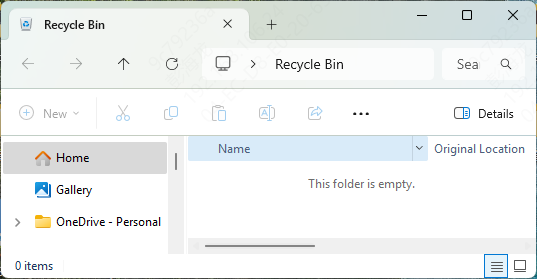
Open the Recycle Bin and search for the file. If you find ebase.dll and it clearly belongs to the app that now shows the error, restore it and test the program again
You should also check your antivirus quarantine history. Security tools sometimes isolate DLL files from older games, cracked installers, or lesser-known utilities
Fix 2: Reinstall the Affected Program
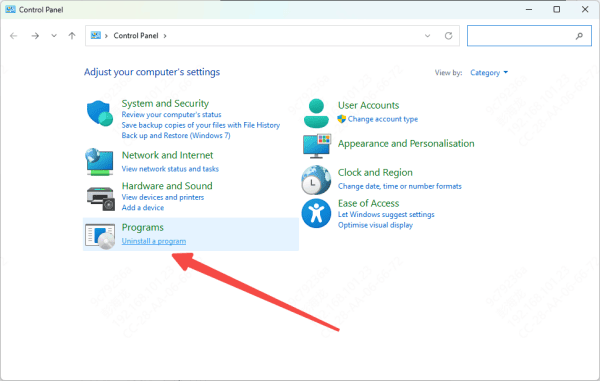
First uninstall the affected app completely. Then restart your PC. If any leftover installation folder remains, remove it if you are sure it contains only that app's files. After that, download the latest version from the official publisher and install it again
If the program was installed through a game launcher, check whether the launcher has a repair or verify files option before doing a full reinstall. That can save time while still restoring missing files
Fix 3: Run System File Checker
If reinstalling the app does not solve the issue, or if you suspect Windows files are damaged, run the built-in System File Checker.
Open Command Prompt as administrator and run this command:
sfc /scannow
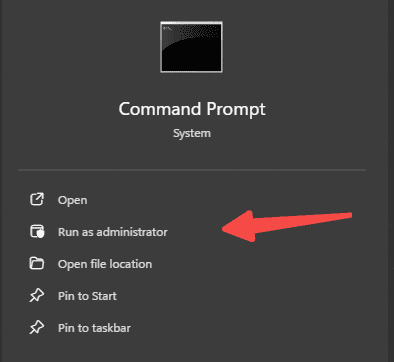
This tool scans protected Windows system files and repairs corrupted versions automatically when possible. It does not fix every third-party DLL problem, but it is very useful when file corruption extends beyond one app.
Fix 4: Repair Related Drivers
In some cases, the ebase.dll error is not just about one missing file. It can be triggered by damaged graphics, sound, or chipset drivers that the affected app needs during startup.
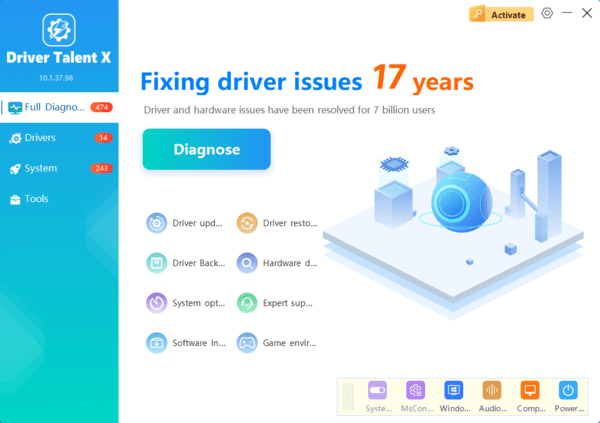
Driver Talent X can help scan the system, identify outdated or damaged drivers, and repair related issues that may be contributing to launch failures.
Fix 5: Run DISM for Deeper Windows Repair
If SFC finds problems but cannot fix everything, or if Windows still behaves abnormally afterward, use the DISM repair command.
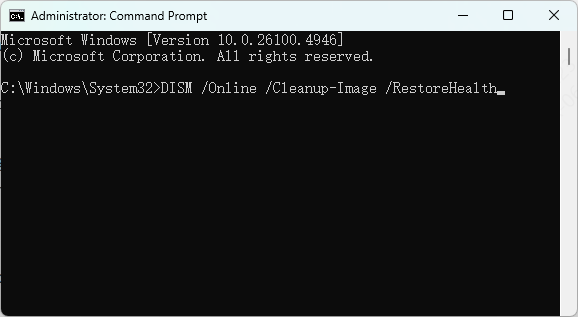
Open Command Prompt as administrator and run:
DISM /Online /Cleanup-Image /RestoreHealth
Fix 6: Update Windows
Windows updates often include compatibility fixes, security improvements, and system file replacements that can resolve DLL-related issues
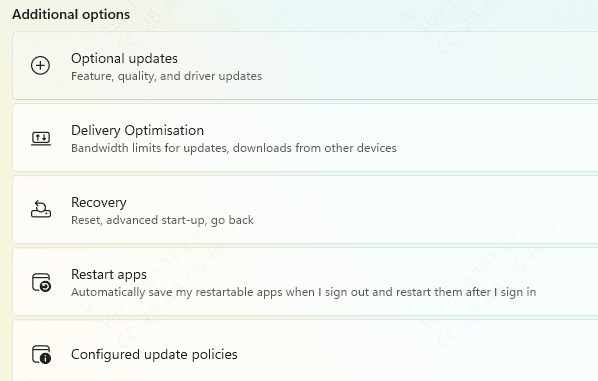
Open Windows Update and install all available updates. Then restart the system fully, not just into sleep mode, and test the affected app again
Fix 7: Use Compatibility Mode for Older Programs
Right-click the program shortcut or executable file, open Properties, and look for compatibility settings. Try running the app in compatibility mode for an earlier version of Windows, then test it again.
Final Thoughts
An ebase.dll error usually means the affected program cannot load one of the files it depends on. In most cases, the safest fix is to start with the app itself, then move to Windows repair and driver updates if the issue continues.
If you want the quickest route, begin with a system scan and driver repair, then reinstall the affected program. If you prefer manual troubleshooting, check the Recycle Bin, review antivirus quarantine, run SFC and DISM, update Windows, and refresh your graphics and audio drivers.