If Battlefield 4 suffers from high ping, lag spikes, rubber-banding, delayed hit registration, or frequent disconnects, the problem may be caused by unstable Wi-Fi, distant game servers, background bandwidth usage, DNS issues, outdated network drivers, or poor ISP routing. High latency can make multiplayer matches feel unresponsive even when your internet speed appears normal. This guide explains several practical ways to reduce Battlefield 4 ping, including switching to Ethernet, choosing nearby servers, flushing the DNS cache, closing bandwidth-heavy programs, changing DNS providers, and updating network drivers with Driver Talent to improve connection stability.
Method 1: Switch to a Wired Ethernet Connection
Plug an Ethernet cable directly from your router or modem into your PC
After connecting, go to Windows Settings, open Network and Internet, and disable the Wi-Fi adapter to prevent Windows from switching between connections. Restart your system and launch Battlefield 4
Method 2: Select Battlefield 4 Servers Closest to Your Region
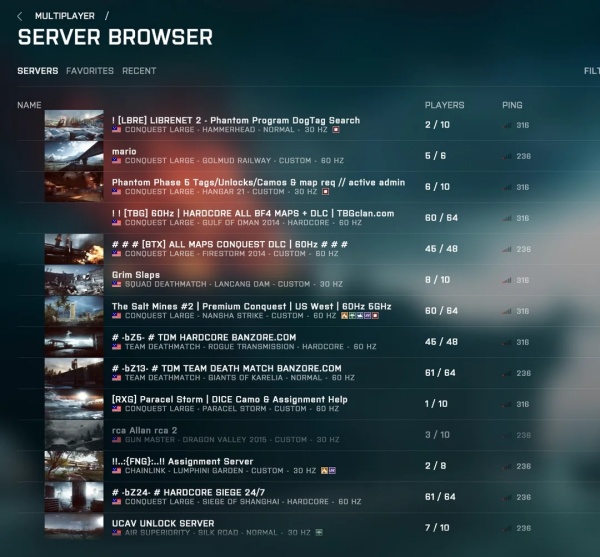
Open Battlelog in your browser and navigate to the Multiplayer tab, then Server Browser. Use the filter options to sort by ping and restrict results to your region. Prioritize servers showing ping values under 50ms
Avoid servers that are full or near capacity, as these can experience performance degradation from CPU load and bandwidth saturation on the server side regardless of your own connection quality
Method 3: Restart Your Router and Flush DNS Cache
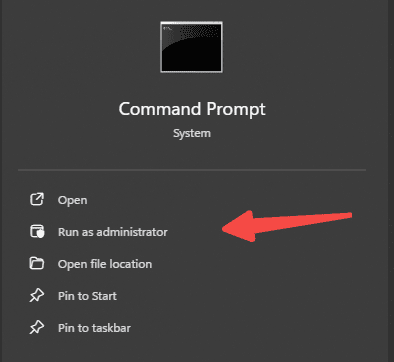
Open Command Prompt as Administrator and run ipconfig /flushdns
This forces Windows to resolve all addresses fresh on the next connection attempt, which can improve the route your traffic takes to Battlefield 4 servers
Method 4: Close Background Applications Consuming Bandwidth
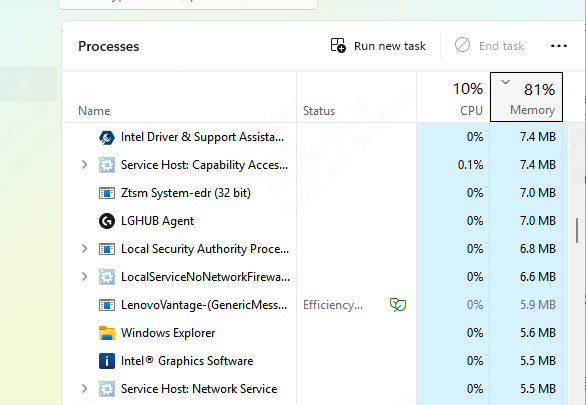
Press Ctrl + Shift + Esc to open Task Manager and navigate to the Processes tab
Sort by network usage and end any process consuming bandwidth that is not required for gameplay
Additionally, pause Windows Update, disable automatic cloud backups, and turn off automatic app updates in Steam and any other launchers before starting a session
Method 5: Change Your DNS Server to a Faster Provider
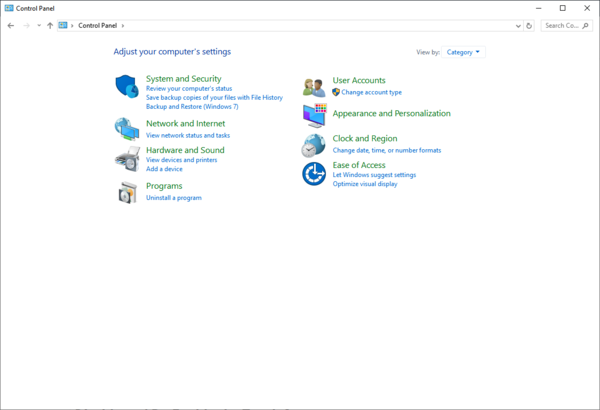
Open Control Panel and navigate to Network and Internet, then Network and Sharing Center
Right-click your active connection and select Properties. Select Internet Protocol Version 4 (TCP/IPv4) and click Properties
Choose Use the following DNS server addresses and enter 8.8.8.8 as the preferred DNS and 8.8.4.4 as the alternate, which are Google's public DNS servers
Alternatively, use 1.1.1.1 and 1..0.1 for Cloudflare's DNS, which is consistently faster in independent benchmarks. Click OK and restart your network adapter
Method 6: Update Network Drivers
Network drivers control how your network adapter processes and transmits data. An outdated driver may use inefficient packet handling routines, fail to take advantage of newer adapter features, or contain bugs that cause intermittent connection drops and ping spikes
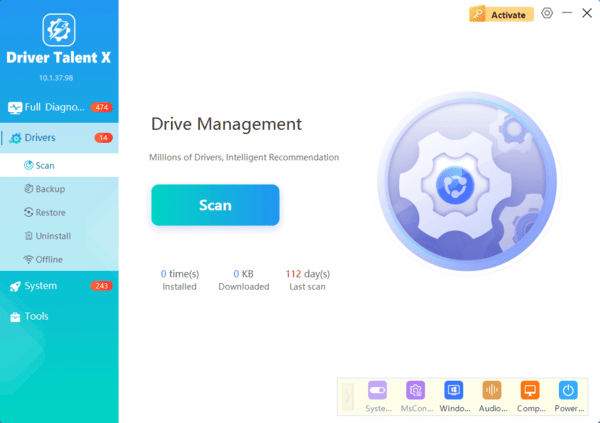
Driver Talent scans your installed drivers against a verified database and identifies which ones are outdated, incompatible, or corrupted. It then downloads and installs the correct version automatically without requiring you to locate the manufacturer's website, identify your adapter model, or manually match driver versions
Frequently Asked Questions
What ping is considered good for Battlefield 4?
Below 50 ms is ideal, while 50–100 ms is generally playable. Ping above 100 ms may cause delayed hit registration, rubber-banding, and noticeable input lag.
Will flushing or changing DNS directly lower in-game ping?
Usually not. DNS mainly affects the initial server lookup and does not change latency after connecting. The correct Cloudflare addresses are 1.1.1.1 and 1.0.0.1.
Why is Battlefield 4 ping high only on certain servers?
Those servers may be geographically distant or reached through an inefficient ISP route. Use the server browser to compare nearby servers instead of relying only on region labels.
High ping in Battlefield 4 is caused by a combination of connection type, server selection, driver quality, bandwidth competition, and ISP behavior. Working through the nine methods above in order addresses all of these factors. Switching to a wired connection and selecting nearby servers will produce the most immediate improvement for most players. Updating network drivers with Driver Talent handles the more technical cause that is easy to miss. Adjusting the network smoothing factor to zero is the final step for players who want the most responsive experience once their connection is stable.