If League of Legends feels delayed, rubber-bands during matches, or suffers from sudden ping spikes, the problem may be related to unstable WiFi, background bandwidth usage, network configuration, outdated adapter drivers, router issues, or inefficient ISP routing to Riot's servers. High ping does not always mean your internet speed is too slow; connection stability and routing quality are often just as important. This guide explains several practical ways to reduce League of Legends ping.
Use a Wired Connection Instead of WiFi
Wireless connections are more likely to suffer from signal interference, unstable bandwidth, and packet loss
Even if your WiFi seems fast enough for browsing or streaming, it may still be too inconsistent for competitive online gaming. A wired Ethernet connection gives you a more stable path to the router and usually lowers both average ping and sudden spikes
Close Background Apps That Use Bandwidth
A common cause of high ping is background traffic. Cloud sync apps, game launchers, browser downloads, Windows updates, streaming sites, and even software running quietly in the tray can consume bandwidth without you noticing.
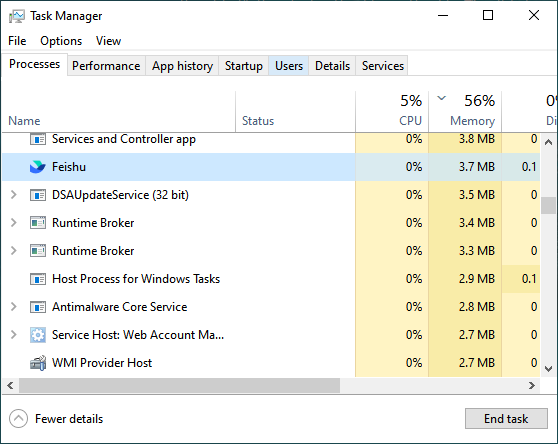
Before launching League of Legends, open Task Manager and check which apps are using the network
Close unnecessary downloads, pause cloud backups, stop video streaming, and make sure no other game platform is updating in the background. This helps reserve more bandwidth for the game and reduces unexpected lag
Change DNS Settings
Slow DNS is not always the direct cause of high in-game ping, but it can affect how efficiently your connection reaches game-related services. Switching to a faster public DNS such as Google DNS or Cloudflare DNS may improve network responsiveness
Many players use 8.8.8.8 and 8.8.4.4 for Google DNS, or 1.1.1.1 and 1.0.0.1 for Cloudflare. After changing DNS, restart the network connection and test the game again. This will not fix every case, but it can help if your default ISP DNS is slow or unreliable
Update Network Drivers
Outdated or damaged network adapter drivers can cause unstable latency, random disconnects, or poor packet handling. This is especially common after a Windows update, motherboard driver conflict, or long period without maintenance.
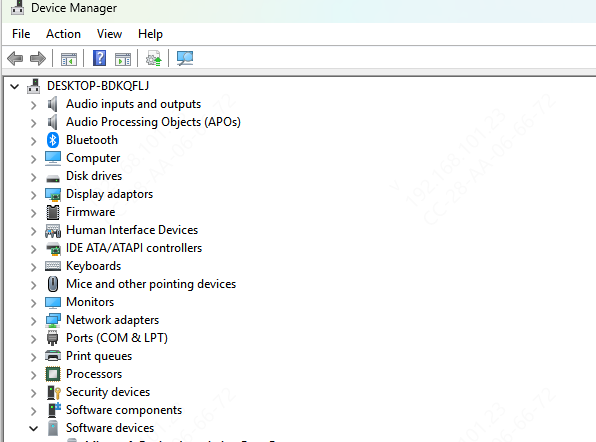
You can update the network driver manually through Device Manager or from the PC or motherboard manufacturer's website.
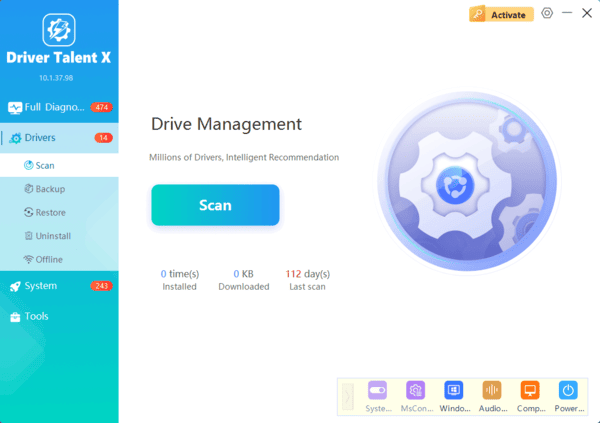
If you want a faster way to check for outdated network drivers, Driver Talent X can scan the system and identify driver issues that may be affecting connection stability. After updating the network driver, restart the PC before launching the game again.
Flush DNS and Reset the Network Stack
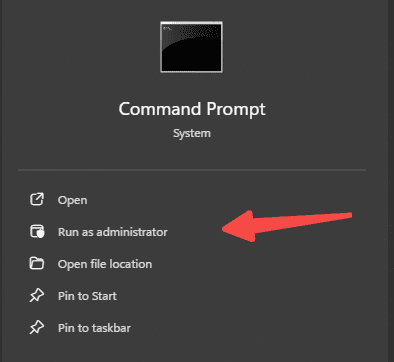
Open Command Prompt as administrator and run the standard network reset commands, including flushing DNS and resetting TCP/IP. This clears cached network data and restores default communication settings
After restarting the PC, test League of Legends again to see whether the ping becomes more stable. This step is especially useful if the lag started after a network change, VPN use, or Windows issue
Try a Gaming VPN Only If Routing Is Bad
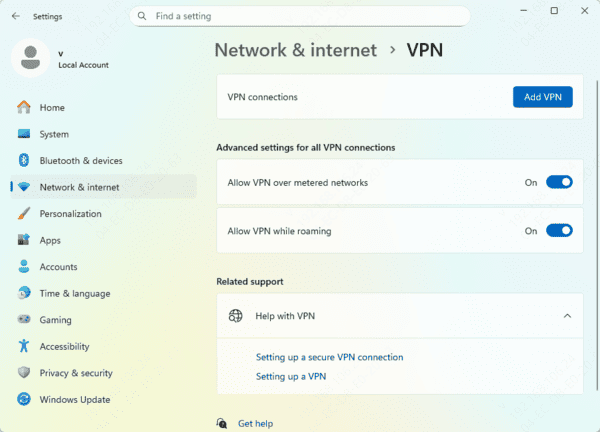
Sometimes the problem is not your home network, but your ISP's route to Riot's servers. In these cases, a gaming VPN may help by redirecting traffic through a more efficient path
This is not necessary for every player, and it can even make things worse if the VPN route is poor, so it should be treated as a test rather than a default solution. If your ping is consistently high only in League of Legends while other online games perform normally, poor routing to Riot's servers may be the reason.
Frequently Asked Questions
Does changing DNS actually reduce League of Legends ping?
Usually not during an active match. DNS mainly affects the initial lookup and connection process, while in-game latency depends on the network route between your PC and Riot' server.
Why is my ping high only in League of Legends?
You may be connected to the wrong regional server, or your ISP may have an inefficient route to Riot' network. Check the selected region and compare results at different times of day.
What is the difference between high ping and packet loss?
High ping creates a consistent delay, while packet loss causes freezing, rubber-banding, or actions that fail to register. A connection can show acceptable ping while still suffering from severe packet loss or jitter.
Conclusion
High ping in League of Legends is usually caused by unstable WiFi, background bandwidth usage, Windows network activity, outdated drivers, router problems, or poor ISP routing. The most effective fixes are using Ethernet, closing background apps, restarting the router, reducing Windows update traffic, resetting network settings, and updating the network driver. If you want to simplify the driver check, Driver Talent X can help identify network driver problems more quickly. By working through these fixes step by step, most players can reduce ping, improve match stability, and enjoy a smoother League of Legends experience.