If you encounter an "mss32.dll is missing" or "mss32.dll not found" error when launching a game or multimedia application, the program may be unable to load an important audio component it requires. The mss32.dll file is associated with the Miles Sound System and is commonly included with games that use it for music, sound effects, and other audio functions. The error can occur because of damaged or missing game files, an incomplete installation, antivirus interference, audio driver problems, or Windows system corruption. This guide covers several practical ways to fix mss32.dll errors, including reinstalling the affected program, checking deleted files, repairing Windows components, updating audio drivers, scanning DLL-related problems with Driver Talent X, and checking for malware.
What mss32.dll Is
The mss32.dll file belongs to the Miles Sound System, an audio engine developed by RAD Game Tools
Many games use it to handle sound effects, background music, and other audio functions. If this file is missing, corrupted, blocked, or incompatible with the current system environment, the program may fail to load or may crash during startup
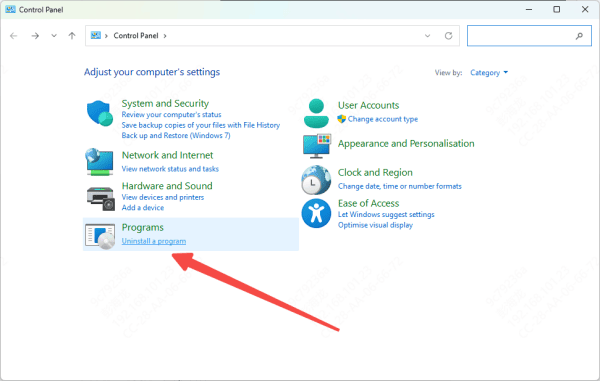
Fix 1: Reinstall the Affected Game or Program
The first and most effective fix is usually to reinstall the affected application. Since mss32.dll is often bundled with the game or software itself, reinstalling restores the correct file version in the right folder
Uninstall the application fully, restart the computer, and then install it again using the official installer or platform source. This is safer than manually copying DLL files from random websites, because it ensures the correct version is installed together with the other required files
Fix 2: Check the Recycle Bin or Backup
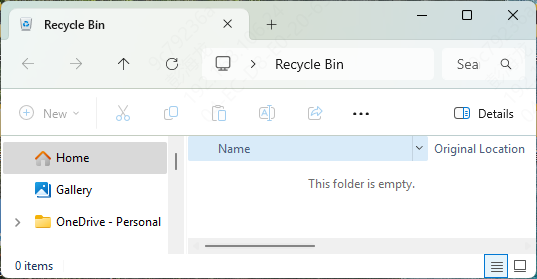
If the error appeared suddenly after deleting files or cleaning the system, the DLL may have been removed by mistake. Check the Recycle Bin first. If the file is there, restore it and test the program again
If you use system backup tools or restore software, you can also recover the previous file version from backup. This is only useful if you are sure the file came from the original application and was not damaged before deletion
Fix 3: Run System File Checker
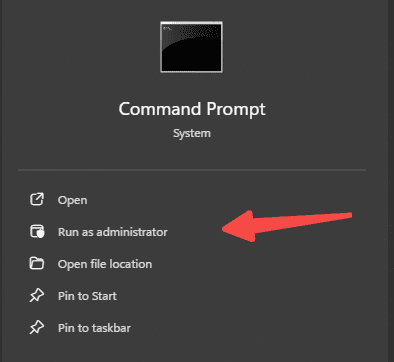
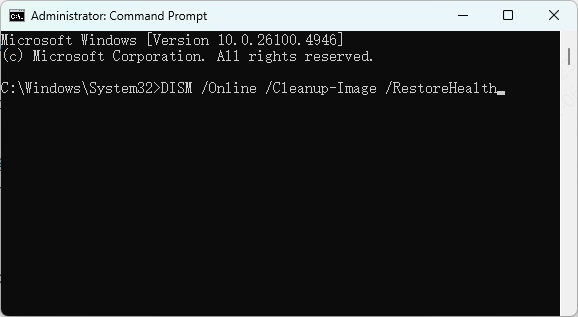
If reinstalling the program does not solve the issue, Windows system corruption may be contributing to the problem. Open Command Prompt as administrator and run the System File Checker command: sfc /scannow
This tool scans protected Windows files and repairs damaged system components automatically. Although mss32.dll itself is usually not a core Windows file, damaged system files can still affect how applications load DLL dependencies. After the scan finishes, restart the PC and try the application again
Fix 4: Update Audio Drivers
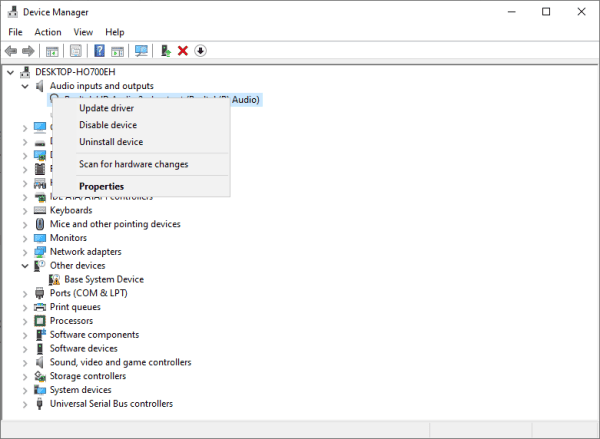
Open Device Manager, expand Sound, video and game controllers, right-click your audio device, and choose Update driver. Let Windows search automatically, or download the latest audio driver from your PC or motherboard manufacturer if needed.
Fix 5: Check DLL and Driver Problems
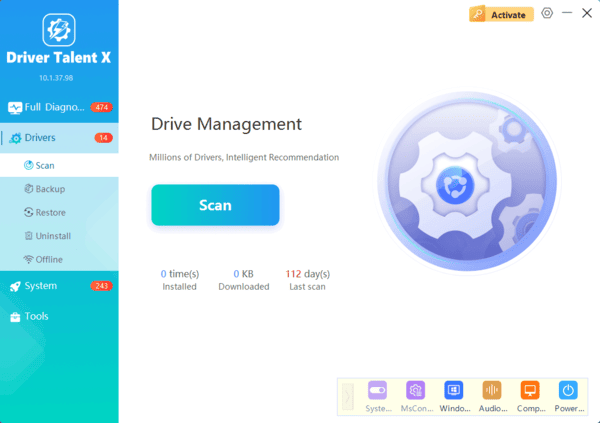
If you want a quicker way to identify related problems, Driver Talent X can help scan the system for outdated drivers and abnormal DLL conditions
This can be useful when the mss32.dll error appears together with audio problems, game launch failures, or other system instability. Instead of manually checking drivers one by one, you can scan the PC, review the detected issues, and repair relevant components more efficiently. After the repair, restart the system and test the affected program again
Fix 6: Re-register the DLL File
If the mss32.dll file still exists on the PC but the program cannot load it correctly, re-registering the file may help in some cases. Open Command Prompt as administrator and run regsvr32 /u mss32.dll followed by regsvr32 mss32.dll
If the command fails, it usually means the file is missing, is in the wrong location, or the DLL is not meant to be registered in that way. In that case, return to reinstalling the application rather than forcing manual fixes
Fix 7: Scan for Malware
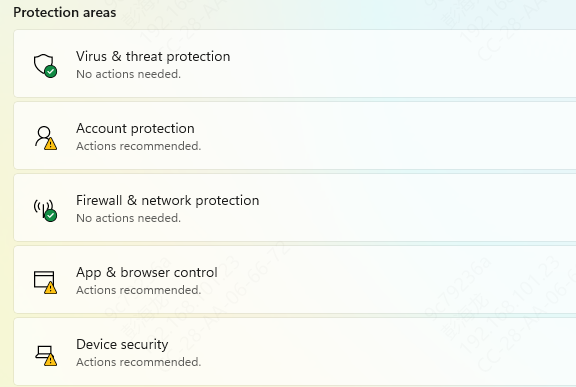
Run a full system scan using a antivirus program. Malicious software can delete, replace, or damage DLL files, and some security tools may quarantine suspicious files automatically
If the antivirus history shows that mss32.dll was blocked or removed, restore it only if you are sure it came from a legitimate game or program installation
Frequently Asked Questions
Where should mss32.dll be installed?
It is commonly placed in the affected game's installation folder. Let the game's official installer or repair tool put it in the correct location; do not copy a downloaded DLL into Windows system folders.
Will sfc /scannow restore mss32.dll?
Usually not. SFC repairs protected Windows files, while mss32.dll is generally supplied by the game. SFC is more useful if you also suspect Windows system corruption.
Should I re-register mss32.dll with regsvr32?
Generally no. Game DLLs such as mss32.dll typically are not designed for regsvr32 registration. Verify or reinstall the affected game instead.