If Windows shows a "snvrfy.dll is missing," "snvrfy.dll not found," or similar startup error, the problem may be caused by a damaged application installation, antivirus quarantine, corrupted Windows components, outdated drivers, or compatibility issues. In many cases, downloading a standalone DLL from an unknown website is unnecessary and can create additional risks. This guide explains safer ways to fix snvrfy.dll errors, including reinstalling the affected program, checking the Recycle Bin and antivirus history, repairing Windows with SFC and DISM, installing system updates, and checking graphics, audio, or chipset drivers with Driver Talent when needed.
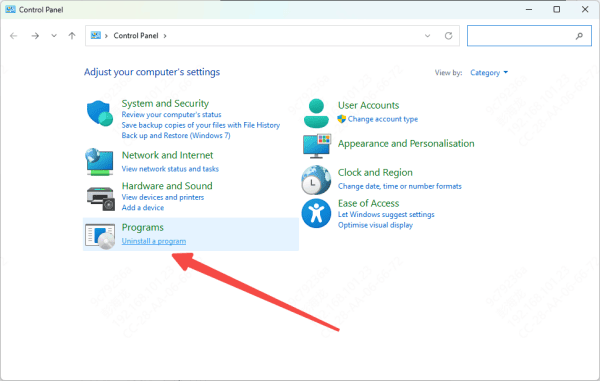
Reinstall the Program
Uninstall the program fully. Restart the PC. Then install a fresh copy from the official source. This gives the application a clean set of files, including the exact snvrfy.dll version it was designed to use
This is much safer than searching for a separate snvrfy.dll download. DLL files often need to match the exact build of the app they
belong to. Using a random version from another source may create a different startup failure instead of fixing the original one
Check the Recycle Bin and Antivirus History
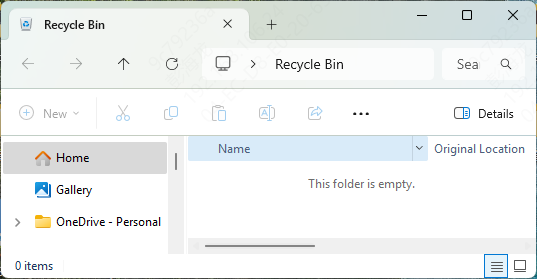
Open the Recycle Bin and search for snvrfy.dll. If you find it and it clearly belongs to the affected software, restore it and test the program again.
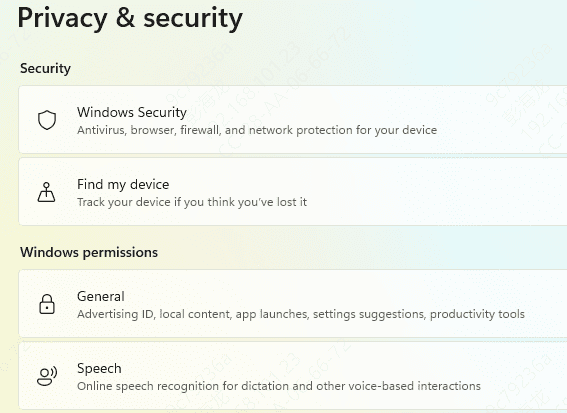
Next, check your antivirus quarantine or protection history. Some security tools flag DLL files by mistake, especially when the software is old, uncommon, or recently updated. If snvrfy.dll was quarantined and the program came from a trusted source, restoring it may solve the issue immediately.
Run Windows File Repair Tools
When reinstalling the app does not help, or when the PC has other unusual issues, Windows repair tools are worth using next.
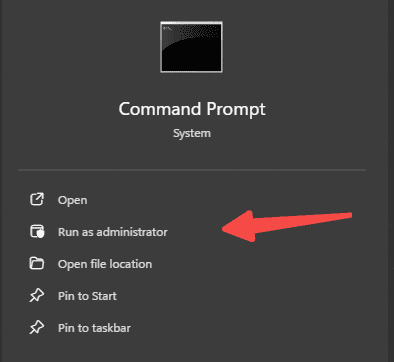
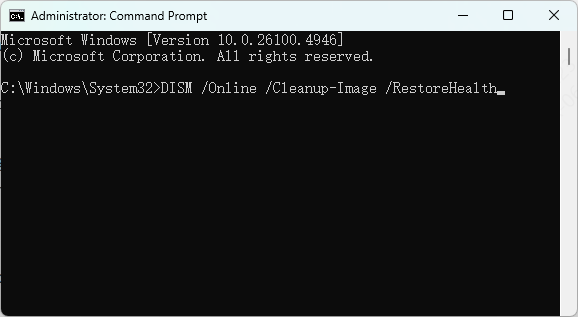
Open Command Prompt as administrator and run:
sfc /scannow
After that, run:
DISM /Online /Cleanup-Image /RestoreHealth
Update Graphics, Audio, and Chipset Drivers
Some snvrfy.dll errors are not really about the DLL alone. They happen because the program crashes while trying to initialize graphics, sound, or another hardware-related component during startup.
That is why updating drivers can matter more than people expect. If your graphics driver, audio driver, or chipset driver is broken or outdated, the application may fail at launch and report a DLL-related message as the visible symptom
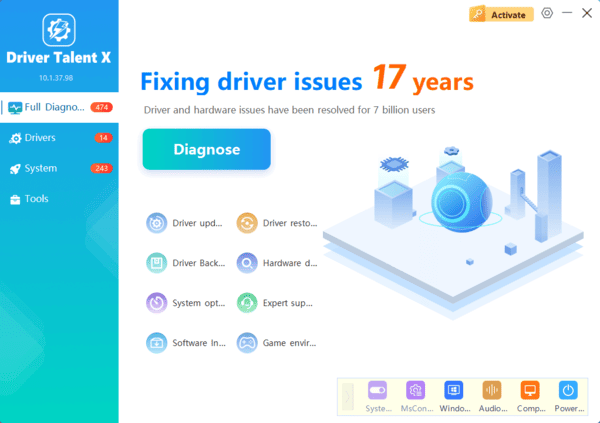
You can update these drivers manually through your PC manufacturer or hardware vendor. If you want a faster route, a repair tool like Driver Talent can scan for outdated or damaged drivers and fix related problems more quickly
Install Windows Updates
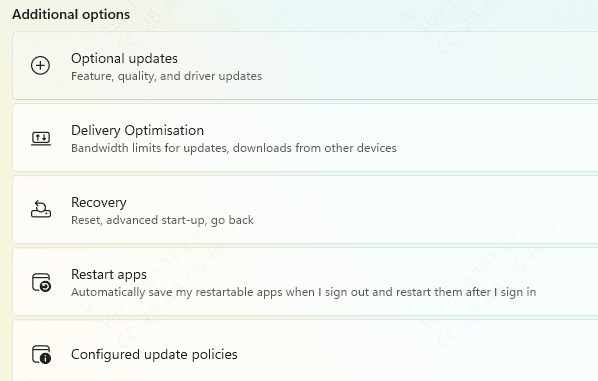
Windows updates often fix compatibility issues, replace damaged components, and improve how older software works on newer systems
If your PC has been behind on updates, install all pending Windows updates and restart fully. This can help when the snvrfy.dll issue appears after major system changes or when older software is running on a newer build of Windows
Frequently Asked Questions
What program does snvrfy.dll belong to?
Snvrfy.dll is not a standard Windows system file. It is generally installed with a particular third-party application, so its location and file properties can help identify the associated program.
Why does the snvrfy.dll error remain after reinstalling the program?
Antivirus software may be quarantining the file, or the application may have incompatible dependencies. Review protection history, install Windows updates, and repair system files with SFC and DISM.
Can I register snvrfy.dll using regsvr32?
Only if the software developer specifically states that it is a self-registering DLL. Many DLL files do not support regsvr32, so running the command may produce another error without resolving the problem.
Final Thoughts
A snvrfy.dll missing error usually means a program cannot load one of the files it depends on, but the file itself is not always the true problem. Sometimes the cause is a broken installation. Sometimes it is Windows corruption. Sometimes it is a driver or compatibility issue that prevents the app from starting correctly.
The safest repair order is straightforward. Reinstall the affected program first. Check the Recycle Bin and antivirus quarantine. Run SFC and DISM. Update Windows. Then update key drivers if the problem continues.