Shadow of the Erdtree can cause unexpected lag, stuttering, and FPS drops even on PCs that run the original Elden Ring smoothly. The DLC's more demanding environments, higher hardware requirements, and PC optimization issues can impact performance. This guide explains the main causes of Shadow of the Erdtree lag and provides effective solutions, including driver updates, graphics optimization, system adjustments, and game file repairs to improve gameplay smoothness.
Check If Your PC Meets the DLC Requirements
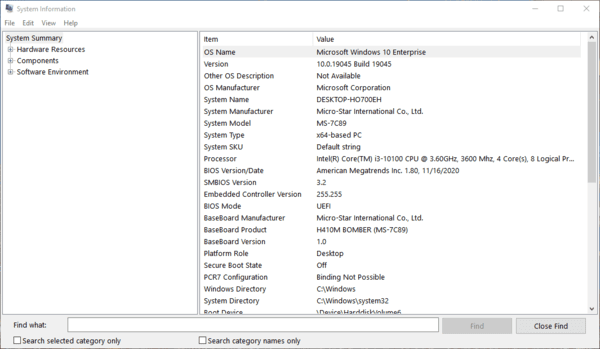
To check your specs, press Win + I, go to System, then About. This shows your CPU model and installed RAM. For the GPU, press Win + X, open Device Manager, and expand Display adapters
Elden Ring's recommended specs call for an NVIDIA GTX 1070 8GB or AMD RX Vega 56 8GB at minimum for the DLC areas. If your GPU is below this, reducing settings is essential. If you're at or above recommended spec and still experiencing lag, the fixes below are fully applicable
Fix 1: Update GPU Drivers
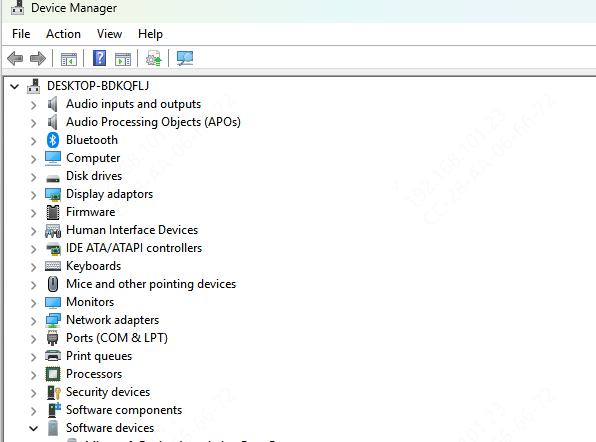
Open Device Manager by pressing Win + X and selecting it. Expand Display adapters
Right-click your GPU and select Update driver. Choose Search automatically for drivers. If Windows finds a newer driver, install it and restart
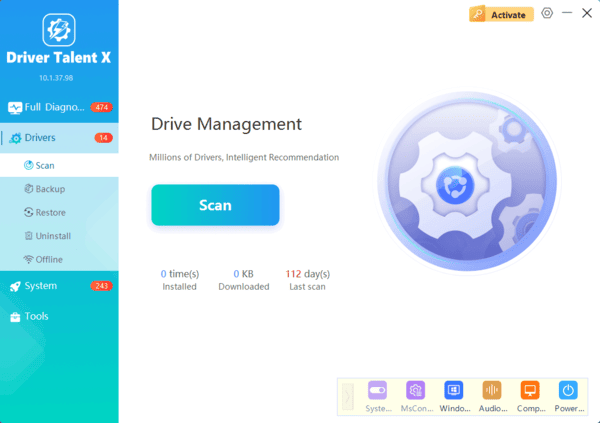
For a more reliable and complete update, use Driver Talent X
It identifies your exact GPU model and installs the latest matched driver version, including game-ready driver releases from NVIDIA and AMD
Fix 2: Adjust In-Game Graphics Settings
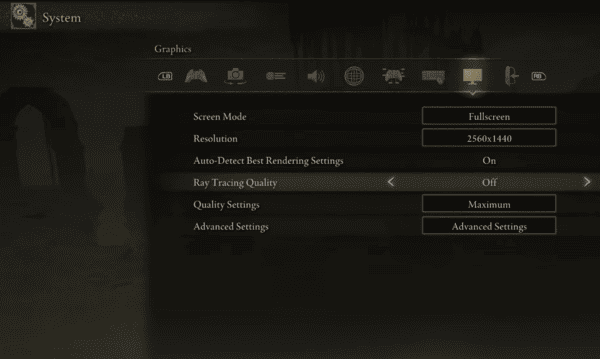
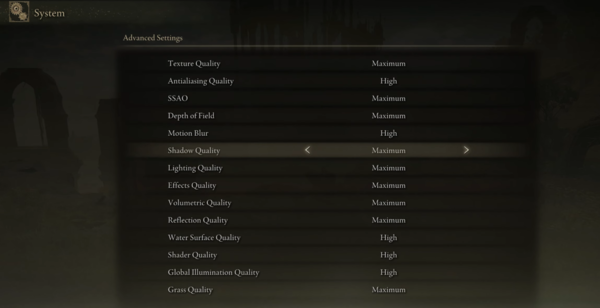
TAA in Elden Ring introduces blur and performance cost that FXAA handles more efficiently. Reduce shadow quality from Maximum to High or Medium — shadows in Elden Ring are expensive to render and the DLC environments have complex lighting that amplifies this cost. Set global illumination and ambient occlusion to Low or Off
Keep texture quality at High if your GPU has 6GB or more of VRAM. Reducing textures has minimal FPS impact but significant visual impact, so it's the last setting worth touching
Set a 60 FPS cap and enable V-Sync. Running uncapped above 60 FPS in Elden Ring causes physics and animation inconsistencies in addition to irregular frame pacing that feels like lag
Fix 3: Cap the Frame Rate Correctly
Install RivaTuner Statistics Server (RTSS) and set a 60 FPS cap there instead of using Elden Ring's built-in option. In NVIDIA Control Panel, set V-Sync to Off for Elden Ring specifically and let RTSS handle the cap. For AMD users, disable Radeon Anti-Lag and use RTSS for the same purpose
If you prefer not to use RTSS, enabling V-Sync in-game with the target set to 60 is the next best option. The key point is to avoid running uncapped — it makes stuttering worse, not better
Fix 4: Set Elden Ring to High Priority in Task Manager
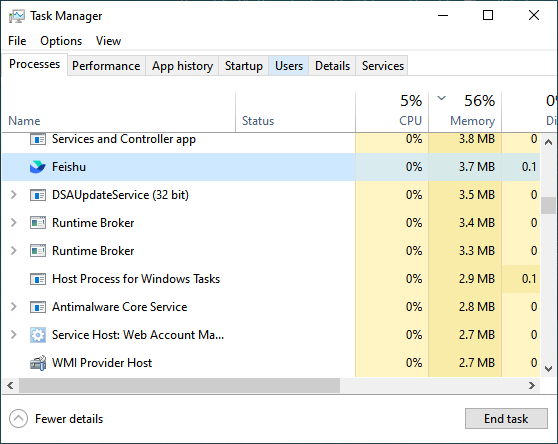
Press Ctrl + Shift + Esc to open Task Manager. Go to the Details tab. Find eldenring.exe in the list. Right-click it and select Set priority, then choose High
This instructs Windows to prioritize Elden Ring over lower-priority background processes during CPU contention. Do not set it to Realtime — this can cause system instability. High is the appropriate setting for gaming
This needs to be repeated each time you launch the game as Task Manager priority resets on restart
Fix 5: Optimize Windows Power Settings
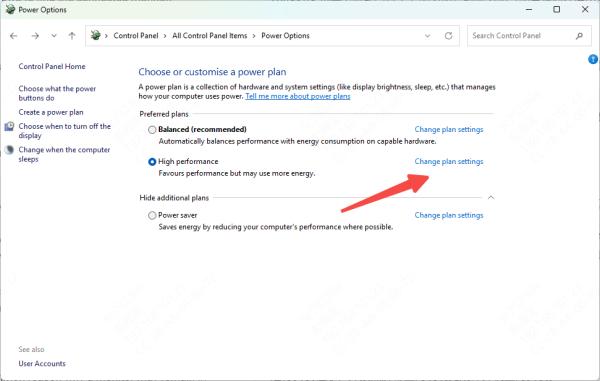
Open the Control Panel and go to Power Options. Select High Performance. If Ultimate Performance is available on your system, select that instead
For GPU settings, open NVIDIA Control Panel, go to Manage 3D settings, find Power management mode, and set it to Prefer maximum performance. For AMD, open AMD Software, go to Gaming, then Graphics, and set the power limit slider to maximum
Fix 6: Close Background Applications
Disable Xbox Game Bar in Settings under Gaming. Disable hardware-accelerated GPU scheduling if it's enabled and causing stuttering — go to Settings, then System, then Display, then Graphics, then Change default graphics settings, and toggle it off
Results vary by hardware, but on some GPU and driver combinations it introduces frame pacing issues in DirectX 12 titles like Elden Ring
Fix 7: Verify Game Files
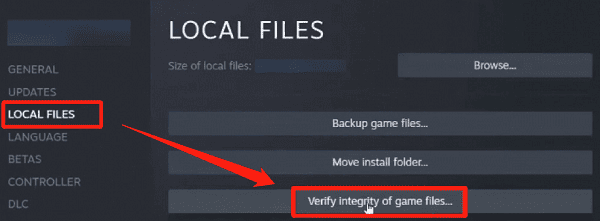
In Steam, right-click Elden Ring in your Library and select Properties. Go to Local Files and click Verify integrity of game files. Steam will check and replace any corrupted or missing files
After verification completes, navigate to your Elden Ring installation folder and find the CommonRedist folder. Run the DirectX and Visual C++ Redistributable installers inside it
Conclusion
GPU driver updates and targeted in-game settings adjustments resolve the DLC lag for most players. Disabling ray tracing, reducing shadows, setting a 60 FPS cap, and switching to the High Performance power plan together produce the largest measurable FPS improvement without requiring hardware upgrades.