If you open Device Manager and see your graphics card listed with a yellow exclamation mark and the error "Windows has stopped this device because it has reported problems (Code 43)," you're likely dealing with a driver or hardware issue. In most cases, Code 43 is caused by corrupted, outdated, or incompatible graphics drivers rather than a faulty GPU. However, hardware failures, Windows updates, or incorrect system settings can also trigger this error. In this guide, we'll explain what causes the Code 43 error and walk you through proven solutions to identify the root cause and restore your graphics card to normal operation.
What Error Code 43 Means
Code 43 means the device driver reported a failure to Windows, which then stopped the device to prevent further instability. Unlike Code 22 which means the device is simply disabled, Code 43 means something went wrong during operation.
Software causes include a corrupted GPU driver, an incompatible driver version after a Windows update, or a failed driver update that left the device in an error state
Hardware causes include GPU overheating, a loose GPU in the PCIe slot, or failing GPU hardware. Always exhaust software fixes first — driver issues produce symptoms identical to hardware failure and are far more common
Fix 1: Restart and Reseat the GPU
Restart the PC first. Code 43 sometimes appears after a system event and clears on its own after a fresh boot.
For desktop users: if the error persists, power off completely and unplug from the wall. Open the case, remove the GPU from the PCIe slot, check that all power connectors are properly seated, and reinsert the GPU firmly until the latch clicks
A GPU that has worked itself slightly loose produces Code 43 and is easy to overlook
For laptops, skip directly to the driver fixes
Fix 2: Uninstall and Reinstall the GPU Driver
A corrupted GPU driver is the most common cause.
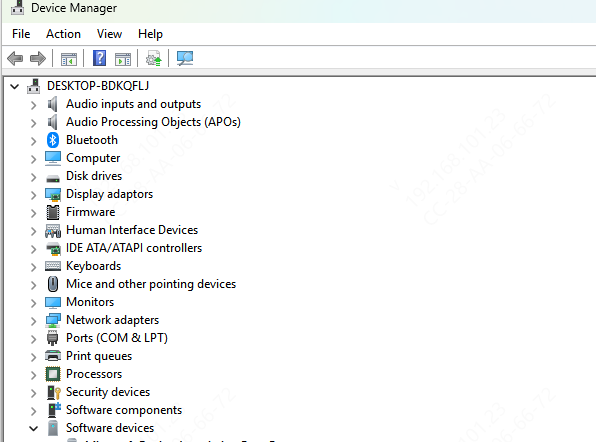
Open Device Manager, expand Display adapters, right-click the GPU, and select Uninstall device. Check the option to delete the driver software. Restart the PC — Windows installs a basic generic driver automatically
After the restart, install the correct full driver
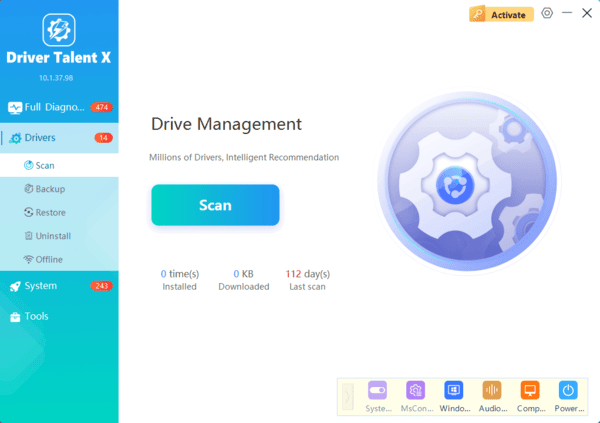
For a faster and more reliable approach, use Driver Talent X
It identifies your exact GPU model and installs the correct matched driver, handling removal of the corrupted components in the process
Fix 3: Perform a Clean Driver Install Using DDU
If Code 43 returns after a standard reinstall, leftover files from the corrupted driver are blocking the new installation. Display Driver Uninstaller performs a complete removal including registry entries that Device Manager's uninstall misses.
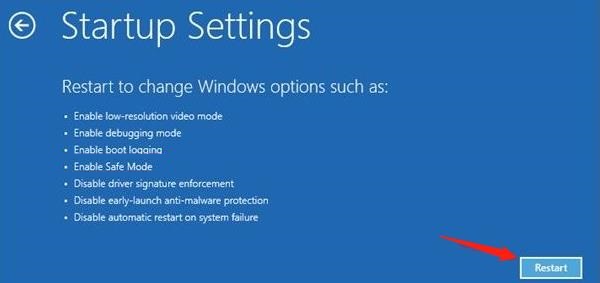
Boot into Safe Mode: press Win + R, type msconfig, go to the Boot tab, check Safe Boot, and restart. In Safe Mode, run DDU, select your GPU vendor, and click Clean and restart
After the restart, immediately install the correct driver using Driver Talent X or the GPU manufacturer's installer. This is the most thorough software fix for persistent Code 43 errors
Fix 4: Roll Back the GPU Driver
If Code 43 appeared immediately after a driver update, the new version has a compatibility issue.
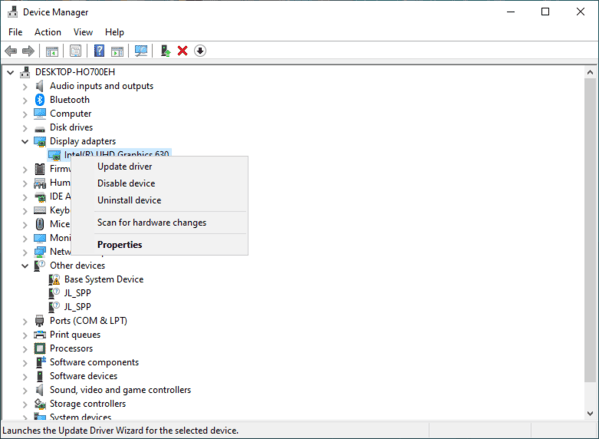
Open Device Manager, right-click the GPU, select Properties, go to the Driver tab, and click Roll Back Driver if it's available
If Roll Back Driver is greyed out, Windows didn't preserve the previous version. Go to the GPU manufacturer's website and download an older version from their driver archive. NVIDIA and AMD both maintain full version histories on their respective download pages
Fix 5: Disable Hardware-Accelerated GPU Scheduling
Hardware-Accelerated GPU Scheduling can conflict with certain GPU and driver combinations and trigger Code 43, particularly on NVIDIA GPUs with older drivers.
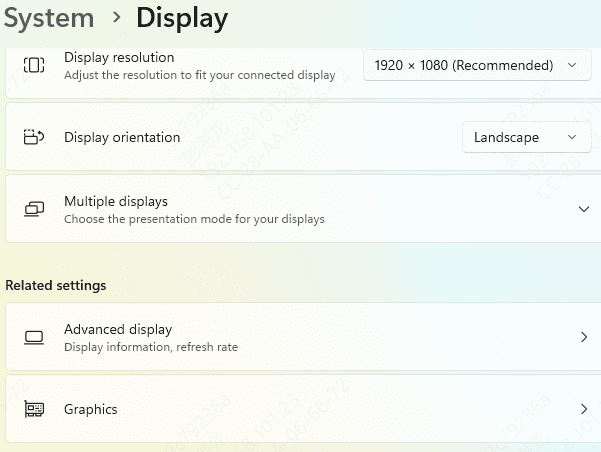
Go to Settings, then System, then Display
Click Graphics, then Change default graphics settings
Toggle Hardware-accelerated GPU scheduling Off. Restart and check Device Manager. If Code 43 clears, leave this setting off until a compatible driver update is released
Fix 6: Check GPU Temperature and Cooling
Thermal protection triggers Code 43 when the GPU reaches unsafe temperatures and shuts itself down. Download GPU-Z or HWiNFO and monitor GPU temperature under load. Normal operating range is 65 to 85 degrees Celsius. Sustained temperatures above 90 degrees indicate a thermal problem.
For laptops, clean intake and exhaust vents with compressed air and ensure the laptop is on a hard flat surface
For desktops, confirm GPU fans are spinning under load and clean dust from the heatsink. If temperatures are within normal range, overheating is ruled out
Fix 7: Check Power Supply Capacity (Desktop Only)
An undersized power supply causes the GPU to report errors under load and trigger Code 43
Check the GPU's minimum power requirement against the PSU's rated wattage
Signs of a PSU cause: Code 43 only appears under gaming load, never at idle, and the system becomes unstable during GPU-intensive tasks. If the PSU is close to or below the GPU's requirement, upgrading it is the resolution
Fix 8: Test the GPU in Another System
If every software fix has been applied and Code 43 persists with normal temperatures and adequate power, test the GPU in a different PC with the correct driver installed.
If Code 43 follows the GPU to the other system, the GPU hardware is defective
If Code 43 doesn't appear in the other system, the issue is with the original PC — a corrupted Windows installation or a PCIe slot problem. For laptops under warranty, contact the manufacturer before attempting any further hardware intervention
Conclusion
Corrupted GPU drivers cause the majority of Code 43 errors. Fix 2 and Fix 3 — driver reinstallation using Driver Talent X followed by a DDU clean install if needed — resolve the problem for most users. Temperature monitoring and power supply checks rule out the hardware causes that produce identical symptoms. Fully exhaust software fixes before concluding the GPU needs replacement.