Updating the BIOS on a Windows 11 PC can improve hardware compatibility, system stability, security, and support for newer components, but the process requires more care than a normal driver update. Using the wrong BIOS file or interrupting the update can prevent the computer from booting properly. This guide explains how to identify your motherboard, download the correct BIOS from the manufacturer, prepare a USB drive, and use manufacturer-supported BIOS update utilities safely. It also explains the difference between BIOS firmware and regular hardware drivers, and how Driver Talent X can help manage graphics, chipset, audio, and other Windows drivers separately.
Step 1: Identify Your Motherboard and Get the Correct BIOS File
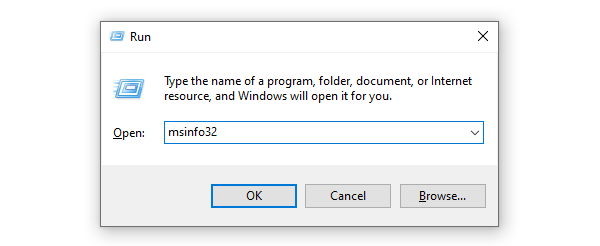
Identify your motherboard: You must know the exact model number. You can find this printed on the motherboard itself or by using a software tool.
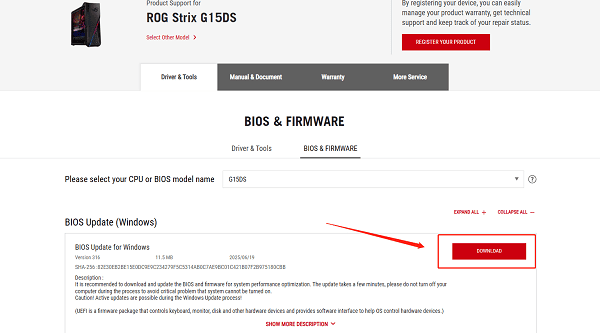
Go to the manufacturer's website: Visit the official support page for your motherboard's manufacturer.
Search for your model: Enter your motherboard's model number and navigate to its support page.
Download the latest BIOS: Click on the "BIOS" or "Firmware" tab, find the latest version, and download the ZIP file.
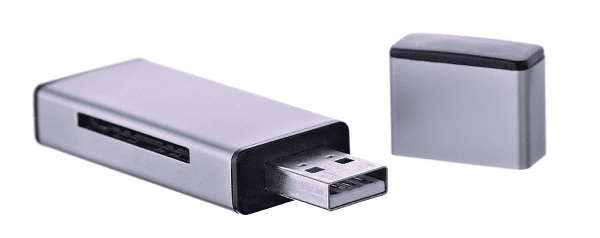
Extract the file: Unzip the downloaded file and copy the BIOS file (often with a .ROM or .CAP extension) to a USB drive formatted as FAT32.
Step 2: Flash the BIOS from the Official Utility
Restart and enter BIOS: Restart your computer and repeatedly press the key to enter your BIOS (usually DEL or F2).
Launch the BIOS flashing utility: Look for a tool like M-Flash (MSI), Q-Flash (Gigabyte), or EZ Flash (ASUS).
Select the BIOS file: Navigate to the USB drive and select the BIOS file you downloaded.
Confirm and update: The utility will display information about the new BIOS. Confirm the update to begin the process. Do not interrupt this process. Your PC will restart several times.
Step 3: Check Your Hardware Drivers
While a BIOS update is a rare task, keeping your other hardware drivers updated is something you should do regularly. Manually searching for and installing each driver can be time-consuming.
Driver Talent X is a professional driver management tool that makes this process simple and safe for all your hardware, from your graphics card to your chipset.
Step 1: Scan for Outdated Drivers
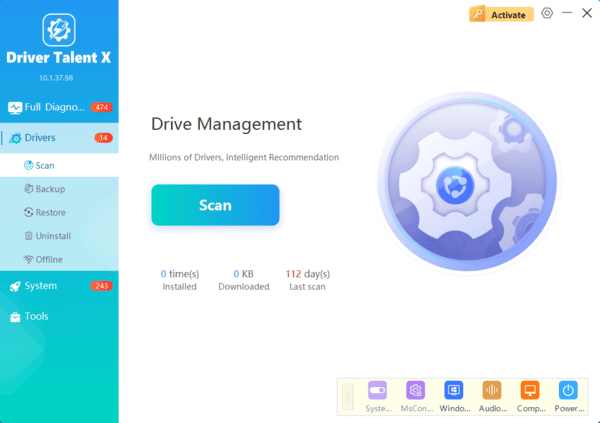
Launch Driver Talent X after installation.
Click the "Scan" button. The software will perform a deep scan of your entire system, identifying any outdated, missing, or corrupted drivers for all your hardware on Windows 11.
Step 2: Update Your Hardware Drivers with One Click
After the scan, Driver Talent X will present a clear list of drivers that need updating.
Find the drivers you want to update (e.g., Intel Chipset Driver, NVIDIA Graphics Driver, or Realtek Audio Driver).
Simply click the "Upgrade" button next to each one, or choose the "Repair Now" option.
Driver Talent X will automatically download and install the latest, most compatible drivers for you, ensuring your system runs smoothly without any manual effort.
Frequently Asked Questions
Do I need to update the BIOS whenever a new version appears?
No. Update it when the release notes address a relevant security issue, hardware compatibility problem, or system fault. An otherwise stable PC may not benefit from every release.
What should I prepare before starting a BIOS update?
Confirm the exact motherboard or prebuilt-PC model, suspend BitLocker protection, save the recovery key, restore stable clock settings, and ensure uninterrupted power.
Will updating the BIOS erase Windows or personal files?
Normally, no. However, it can reset settings such as boot order, XMP, Secure Boot, virtualization, fan curves, and storage-controller mode. Record custom settings before updating.
Conclusion
Updating your BIOS is a high-stakes task that should only be done using the official manufacturer's utility and with extreme caution.
For all other routine maintenance and driver updates (which are essential for day-to-day performance), Driver Talent X is the safest and most efficient solution.
It simplifies the entire process of keeping your Windows 11 system's hardware drivers up to date.