Upgrading from Windows 8 to Windows 10 can improve security, compatibility, and system performance, but the process requires proper preparation to avoid installation errors. Outdated drivers are a common cause of upgrade failures and hardware problems after installation. This guide explains how to safely upgrade Windows 8 to Windows 10 for free using Microsoft’s tools, along with driver preparation methods to ensure a smooth transition.
1. Critical Preparation: Update Your System Drivers First
Before attempting any major operating system upgrade, ensuring all your system components have the latest drivers is the single most important step. Outdated drivers—especially for your chipset, graphics card, or storage controller—are the primary cause of installation failures, blue screens, and post-upgrade instability in Windows 10. A quick, automated check is the safest way to prepare your PC.
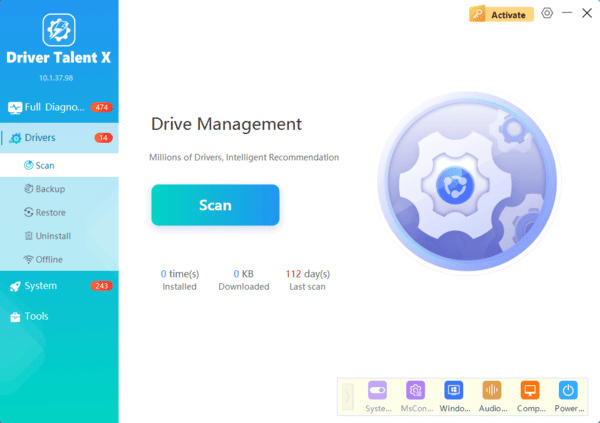
Driver Talent X is an efficient tool that scans your PC, identifies outdated or missing drivers, and installs the correct, compatible versions for your hardware, ensuring a smoother transition to Windows 10.
2. The Primary Method: Using the Media Creation Tool
The most successful and reliable way to perform the free upgrade is by using Microsoft's official Media Creation Tool, which bypasses the expired notification logic and performs an in-place upgrade.
Backup Your Files: Before any major OS change, create a full backup of your critical files, photos, and documents to an external drive or cloud service.
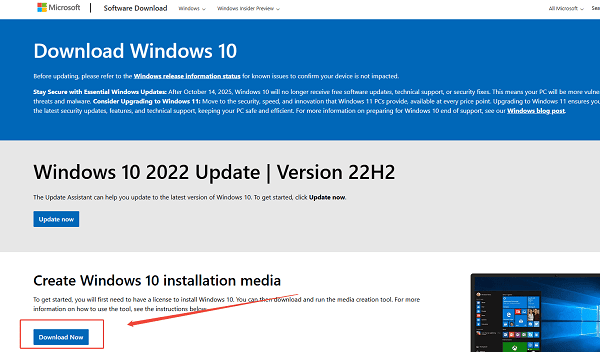
Download the Tool: Go to the official Microsoft Windows 10 download page and click the "Download now" button to get the Media Creation Tool.
Run the Tool: Execute the downloaded file. Accept the license terms.
Choose Upgrade Option: Select the option "Upgrade this PC now" and click Next.
Follow Prompts: The tool will download the necessary Windows 10 files. On the "Ready to install" screen, ensure that "Keep personal files and apps" is selected. This allows you to retain your data and ensures the upgrade is "free", as your Windows 8 license key will be used to activate Windows 10.
Install and Wait: Click "Install". The process will take a significant amount of time and will involve multiple restarts.
3. The Alternative Method: Using an ISO File and Activation
If you encounter issues with the in-place upgrade, you can perform a clean installation using a Windows 10 ISO file and activate it with your old Windows 8 product key.
Get the Product Key: Use a utility tool to extract your current Windows 8 product key and write it down.
Download the ISO: Use the Media Creation Tool again, but this time select "Create installation media (USB flash drive, DVD, or ISO file)" and download the ISO file.
Perform Clean Install: Burn the ISO to a DVD or use a third-party tool to create a bootable USB drive.
Boot and Install: Restart your PC and boot from the installation media. Select "Custom: Install Windows only (advanced)". This will erase your old Windows partition, so ensure your data is backed up.
Activate: When prompted for a product key during installation, enter the Windows 8 product key you retrieved earlier. Windows 10 will connect to Microsoft's servers and should activate successfully.
Conclusion
Upgrading your Windows 8 PC to Windows 10 is an essential step for security and stability, and thankfully, it can still be done for free using Microsoft's official tools. By first preparing your system with stable drivers via Driver Talent X, you dramatically increase the chances of a smooth transition.
Whether you choose the simple in-place upgrade or the alternative clean install method, you'll soon be enjoying the modern features and security of Windows 10.