Compare HyperX Cloud III wired vs Cloud III S Wireless headsets with detailed specs, sound quality, microphone performance, battery life, and features to choose the best gaming headset for your needs.
At A Glance
Connectivity: HyperX Cloud III – Wired (3.5mm jack + USB-C/USB-A adapters); HyperX Cloud III S Wireless – 2.4GHz wireless + Bluetooth 5.3 + Instant Pair for select OMEN laptops
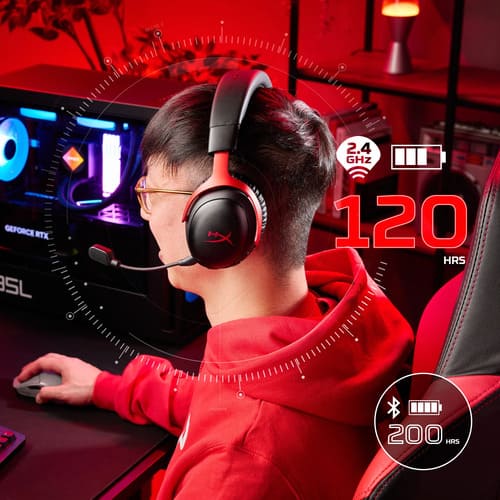
Battery Life: HyperX Cloud III – N/A (wired); HyperX Cloud III S Wireless – Up to 120 hours (2.4GHz) / Up to 200 hours (Bluetooth)
Weight: HyperX Cloud III – ~308g (headset) / ~320g with mic; HyperX Cloud III S Wireless – ~340g (headset) / ~352g with mic
Drivers: Both – 53mm angled neodymium drivers
Audio Features: Both – DTS Spatial Audio (PC); HyperX Cloud III S Wireless – Slightly warmer tuning with enhanced bass and treble
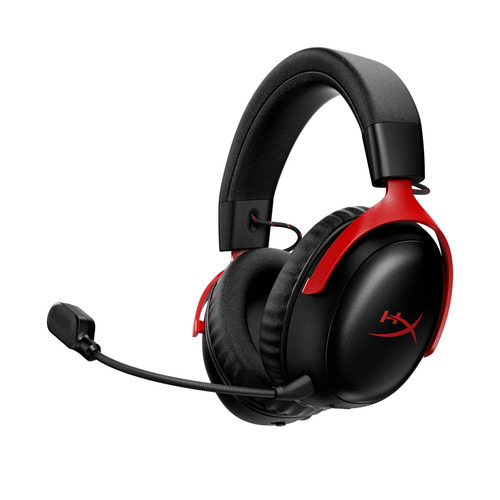
Microphone: Both – Detachable 10mm boom mic with LED mute indicator; HyperX Cloud III S Wireless – Additional built-in mics for Bluetooth
Customization: Both – HyperX Ngenuity software for EQ; HyperX Cloud III S Wireless – Onboard EQ saving
Price (approx. 2026): HyperX Cloud III – $99-120; HyperX Cloud III S Wireless – $170-180
Best For: HyperX Cloud III – Budget gamers wanting wired reliability and top mic quality; HyperX Cloud III S Wireless – Multi-platform users seeking wireless freedom and marathon battery
Design & Build Quality
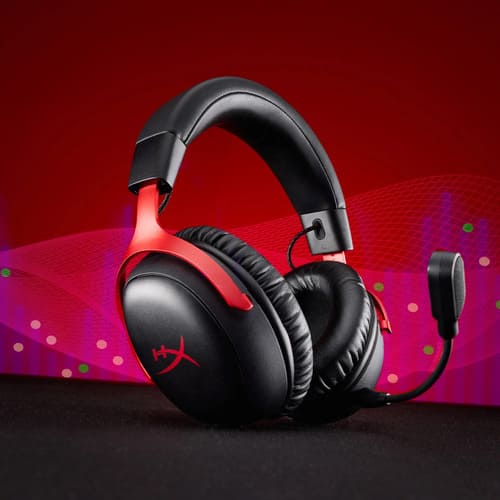
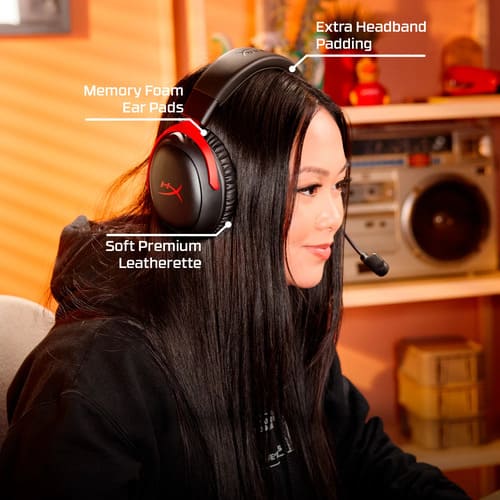
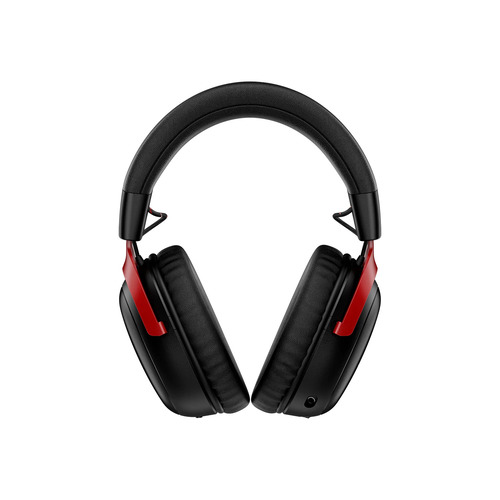
Both models inherit HyperX's proven aluminum frame, plush memory foam ear pads with premium leatherette covering, and angled earcups for a secure, fatigue-free fit during extended sessions
The wired Cloud III keeps things simple and lightweight with a non-detachable braided cable, making it feel more compact and easy to handle on a desk
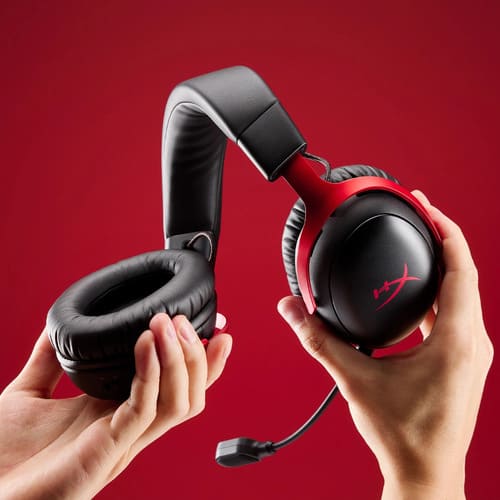
The Cloud III S Wireless adds a touch of premium flair with magnetically removable earcup caps (for potential future customization like decorative accents), on-ear controls for volume, mode switching, and mute, and a slightly bulkier profile to accommodate the battery and Bluetooth components
Comfort remains outstanding on both—no hotspots, excellent clamping force, and breathable padding—but the wired version edges out for all-day use due to its lower weight. Build quality is durable and premium across the board, with no reported flexing or creaking in long-term use
Sound Quality & Audio Performance
Both headsets feature identical 53mm angled neodymium drivers tuned for gaming, providing balanced sound with strong imaging for locating footsteps, gunfire, and environmental cues in FPS titles
The wired Cloud III delivers a neutral profile—accurate mids and clear effects—but can feel bass-light to some users transitioning from older HyperX models
The Cloud III S Wireless refines this tuning for a warmer, more engaging experience with noticeable bass presence and added treble clarity, making it better suited for immersive games, music, and movies
DTS Spatial Audio enhances positional accuracy on PC for both, but the S version feels more dynamic and immersive overall. EQ adjustments via the Ngenuity app are available on both, with the S model's onboard saving making it ideal for use without a PC
Microphone & Communication
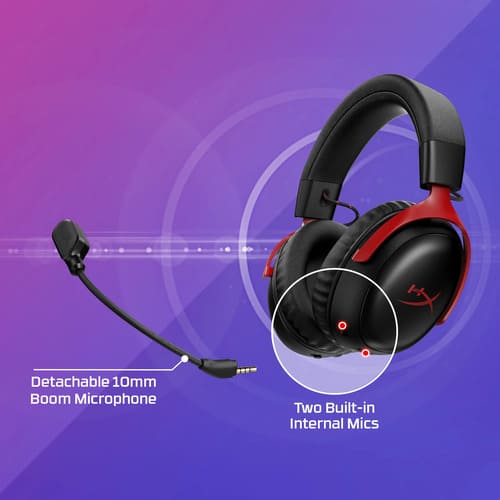
The detachable 10mm boom microphone is a standout feature on both, equipped with an LED mute indicator, noise cancellation, and a built-in mesh filter for clear voice chat
The wired Cloud III provides the cleanest, most natural voice reproduction with minimal processing—ideal for competitive gaming, streaming, or professional calls
The Cloud III S Wireless maintains strong boom mic performance but introduces slight compression from wireless transmission, though it improves noise cancellation in noisy environments. It also includes built-in mics for Bluetooth use (boomless convenience for calls), though these are lower quality. For pure mic excellence, the wired model wins; for versatility, the S pulls ahead

Connectivity & Battery
The Cloud III wired offers dead-simple, zero-latency connectivity via 3.5mm or USB adapters—perfect for consoles, PC, and any device without dongles or charging concerns
The Cloud III S Wireless steps up significantly with low-latency 2.4GHz wireless (via dongle), Bluetooth 5.3 for pairing with phones or tablets, and Instant Pair for quick switching on compatible OMEN laptops
Multi-device support allows seamless hopping between PC gaming and mobile calls
Battery life is exceptional on the S—up to 120 hours on 2.4GHz (real-world 80-100+ hours) and 200 hours on Bluetooth—meaning weeks of use without recharging. Note: Neither supports Bluetooth on Xbox
Gaming & Everyday Use
In competitive FPS games like CS2 or Valorant, both deliver precise sound staging and low-latency performance—the wired model's zero-latency edge is noticeable for pros
For immersive titles (RPGs, open-world games), the S's enhanced bass and spatial audio create deeper engagement
Everyday versatility favors the S: Bluetooth for podcasts, calls, or music on the go, plus freedom from cables during console or mobile sessions
Both excel in long gaming marathons thanks to HyperX's legendary comfort, with the S offering true wireless convenience
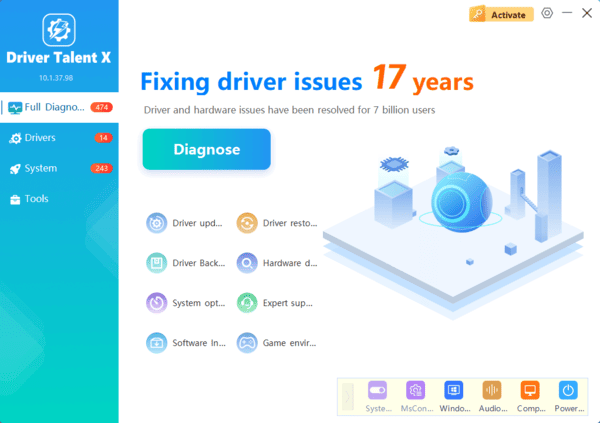
Ensure Optimal Performance with Driver Talent X
To fully enjoy the premium features of your HyperX Cloud III or Cloud III S Wireless headsets, it's essential to make sure your system's drivers are always up-to-date
Outdated or missing drivers can cause audio glitches, connectivity issues, or mic malfunctions, which can take away from the seamless gaming or multimedia experience that these headsets offer
By using Driver Talent X, you ensure that your HyperX Cloud III or Cloud III S Wireless headset operates at its best, without interruptions or connectivity issues due to outdated drivers
Whether you're gaming, streaming, or listening to music, keeping your audio drivers up-to-date will enhance your overall experience
Pros & Cons
HyperX Cloud III (Wired)
Pros: Lower price, lighter weight, superior raw mic clarity, no latency or battery issues, universal wired compatibility
Cons: No wireless freedom, fixed cable limits mobility
HyperX Cloud III S Wireless
Pros: Outstanding battery life, dual connectivity (2.4GHz + Bluetooth), improved sound tuning, onboard EQ profiles, multi-device flexibility
Cons: Higher cost, slightly heavier, minor mic compression on wireless, no Xbox Bluetooth
Which One Should You Buy?
Go for the HyperX Cloud III wired if you're on a budget, prioritize the absolute best microphone quality for streaming or competitive play, or prefer simple wired reliability across all platforms—it's still an unbeatable value under $120
Choose the HyperX Cloud III S Wireless if wireless convenience, extreme battery endurance, and seamless switching between PC, mobile, and other devices matter most—the upgrades make it the more future-proof pick for modern gamers
If you're undecided, the original Cloud III Wireless sits in the middle as a cheaper wireless option. Premium alternatives like the Audeze Maxwell or SteelSeries Arctis Nova Pro offer audiophile features at a higher price
Conclusion & Recommendations
In 2026, the HyperX Cloud III wired remains a top-tier choice at 8.5/10 for reliable, high-value performance and outstanding mic quality. The Cloud III S Wireless earns a 9/10 as a versatile wireless leader with unbeatable battery life and added features—essentially "what the Cloud III should have been" for cord-free users. Both uphold HyperX's reputation for all-day comfort and solid gaming audio. Wired for simplicity and purity, S for freedom and endurance—which fits your setup best?