The Direct3D device error can appear when launching a game, during gameplay, or after changing display settings. Messages like "Direct3D device lost" or "failed to create Direct3D device" indicate that the game can no longer properly communicate with the graphics hardware. Direct3D is a Windows graphics API that allows games to access GPU resources for rendering. When the connection between the game, Direct3D, and the GPU fails, crashes or launch issues may occur. In this guide, we'll explain the common causes of Direct3D errors, including corrupted graphics drivers, incorrect display settings, disabled hardware acceleration, and GPU overheating, along with effective solutions to restore smooth gaming performance.
Fix 1: Update or Reinstall the Graphics Driver
A corrupted or Windows-update-replaced GPU driver is the cause in the majority of Direct3D error cases.
For NVIDIA GPUs, go to nvidia.com/drivers, download the driver for your GPU model and Windows version, and run the installer. Choose Custom installation and check "Perform a clean installation" to remove existing driver components before installing fresh

For AMD GPUs, download the AMD Cleanup Utility from amd support, run it first to fully remove existing drivers, then install the new driver package

For Intel integrated graphics, download the driver from intel support or from the laptop manufacturer's support site

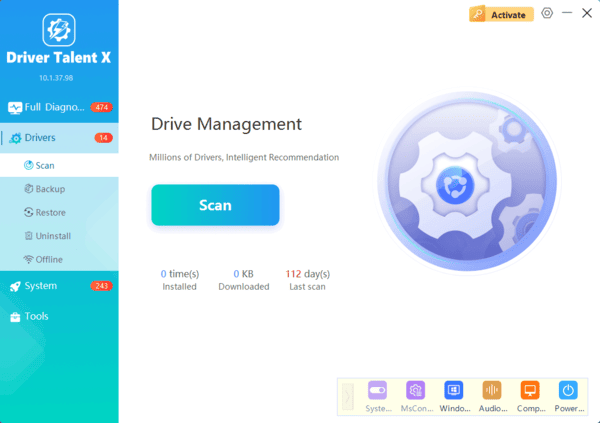
Fix 2: Fix with Driver Talent X
When the GPU model is unclear, the installer fails, or both discrete and integrated GPU drivers are broken at the same time, Driver Talent X identifies the exact hardware and installs the correct matched driver automatically.
This is particularly effective when the error appeared after a Windows update silently replaced the GPU driver with a generic version.
Fix 3: Check DirectX Status and Repair System Files
Press Win + R, type dxdiag, and press Enter. On the System tab, confirm DirectX 12 is shown. On the Display tab, check that Direct3D Acceleration shows "Enabled"
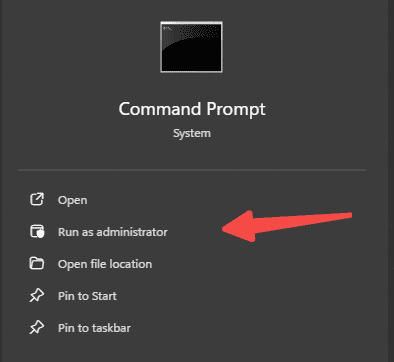
If DirectX files appear corrupted, open Command Prompt as administrator and run sfc /scannow
Restart if repairs are made
For older games requiring DirectX 9 or 11 components, download the DirectX End-User Runtime Web Installer from Microsoft's official site. This adds legacy components without replacing the current version
Fix 4: Enable Hardware Acceleration
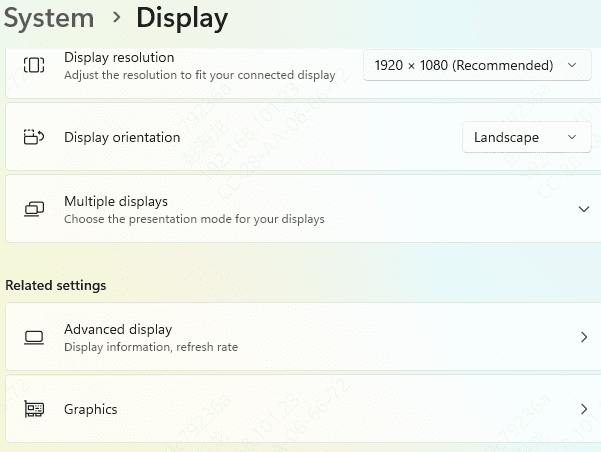
Go to Settings, then System, then Display, then Graphics settings
Confirm hardware-accelerated GPU scheduling is enabled
Right-click the desktop, open Display settings, and go to Graphics. Add the affected game and set its GPU preference to High performance
This ensures the game uses the dedicated GPU rather than integrated graphics
Fix 5: Change the Game's Display Mode
Open the game's graphics settings and switch from Fullscreen to Borderless Windowed. Set the resolution to match the monitor's native resolution
If the game crashes before reaching settings, find the configuration file in the game's Documents or AppData folder, open it with Notepad, and manually change the display mode to windowed. Save and relaunch
Fix 6: Update Windows
Pending Windows updates sometimes include DirectX component fixes and GPU driver compatibility patches
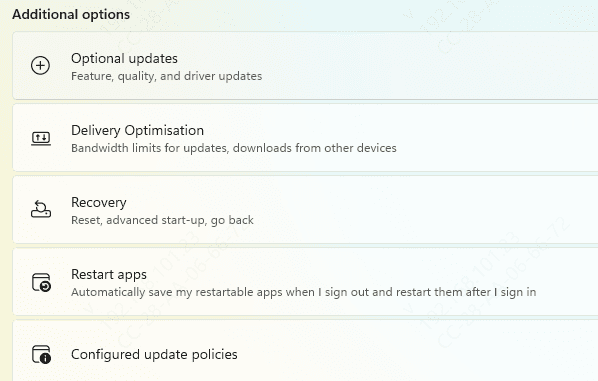
Go to Settings, then Windows Update, click Check for Updates, and install all available updates including optional driver updates. Restart and run dxdiag again to confirm Direct3D Acceleration is still enabled
Fix 7: Verify Game Files
If the GPU driver is confirmed working and the error only occurs in one game, corrupted game files are likely
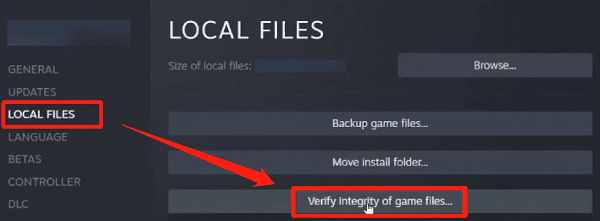
In Steam, right-click the game in the Library, go to Properties, then Local Files, and click Verify integrity of game files. In the Epic Games Launcher, click the three-dot menu next to the game, select Manage, and click Verify
Fix 8: Run as Administrator and Disable Overlays
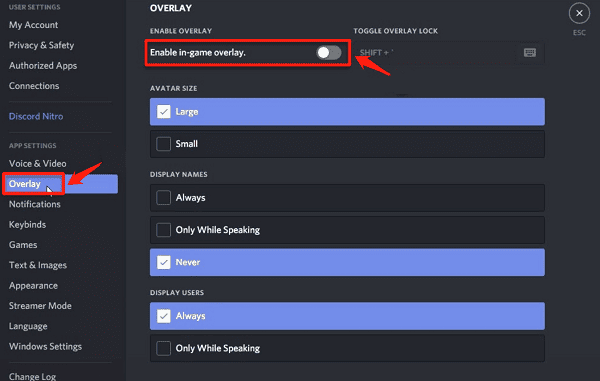
Third-party overlays that hook into the DirectX pipeline can interfere with Direct3D initialization. Disable Discord overlay, NVIDIA GeForce Experience in-game overlay, and Steam overlay temporarily and test
In Discord, go to Settings, then Overlay, and disable it. In GeForce Experience, go to Settings and turn off In-Game Overlay. In Steam, go to Settings, then In-Game, and uncheck the overlay option
Direct3D device errors are most commonly caused by a corrupted GPU driver, disabled hardware acceleration, or GPU overheating. Updating or cleanly reinstalling the GPU driver resolves the majority of cases. Driver Talent X automates the driver detection and repair step when the manual installation process fails or the correct driver version is unclear. For persistent errors after the driver is confirmed working, switching to Borderless Windowed mode, verifying game files, and disabling overlays cover the remaining common causes.