Uninstalling an NVIDIA graphics driver can be an effective troubleshooting step when normal updates no longer solve GPU problems. A damaged installation, incompatible driver version, or leftover NVIDIA components may cause game crashes, display glitches, installation errors, or unstable performance on Windows 11. Rather than repeatedly installing new versions over the existing driver, removing the problematic installation and starting fresh can often provide better results. This guide explains how to safely uninstall NVIDIA drivers using Windows tools, prepare your PC for the process, and reinstall a suitable driver afterward.
Signs You Might Need to Uninstall NVIDIA Drivers
Frequent crashes or blue screens of death (BSODs) when launching games or applications
Screen flickering, artifacting, or display errors
Driver installation failures during new driver updates
Noticeable drops in FPS or performance in GPU-intensive applications
Conflicts with Windows updates or other hardware drivers
If you experience any of these issues consistently, a driver uninstall followed by a clean installation is often the most effective solution
Pre-Uninstall Preparation
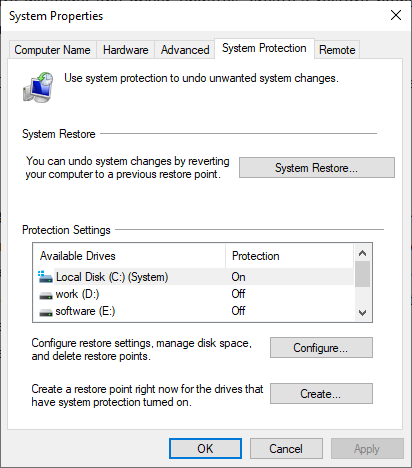
Create a System Restore Point
Press Windows + S → Search "Create a restore point" → Open
Click Create, name the restore point, and save it
Close all GPU-intensive programs
Record your GPU model and driver version
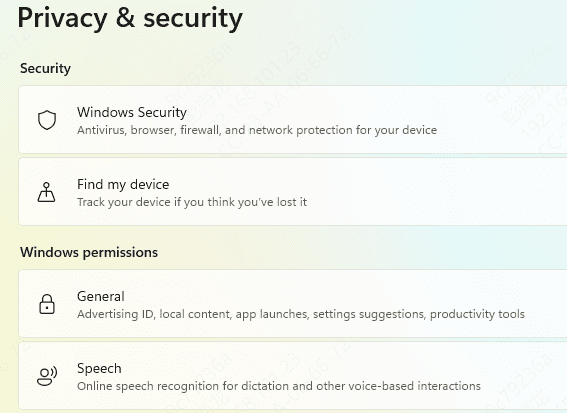
Disable Antivirus
Temporarily disable antivirus software to prevent interference during uninstallation
These steps ensure you can revert to a stable system if any issues occur.
Uninstall NVIDIA Drivers via Device Manager
Device Manager provides a built-in, reliable method:
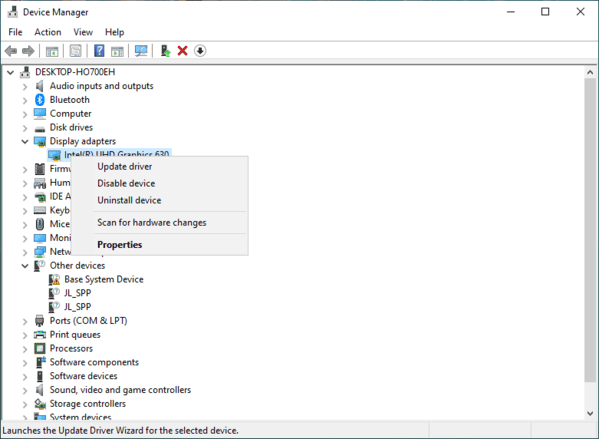
Press Windows + X → Device Manager
Expand Display adapters → NVIDIA GPU
Right-click the GPU → Uninstall device
Check Delete the driver software for this device
Confirm and restart your PC
Advantages: This method is fast, safe, and uses built-in Windows tools to remove the driver cleanly.
Uninstall NVIDIA Drivers via Windows Settings
Windows 11 Settings allows removal of both drivers and related software:
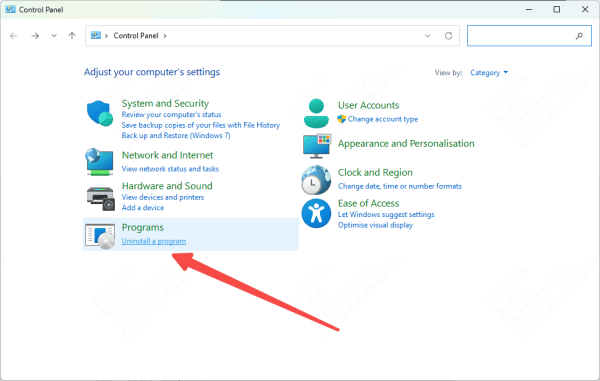
Open Control → Click Uinstall Program
Locate NVIDIA Graphics Driver in the list
Click Uninstall → Follow the prompts
Optionally, remove related software components like GeForce Experience, PhysX, and NVIDIA HD Audio
Restart the system after completion
This approach ensures you remove leftover NVIDIA software that may interfere with future installations.
Reinstalling Drivers After Uninstall
Once drivers are uninstalled, you should reinstall to restore GPU functionality:
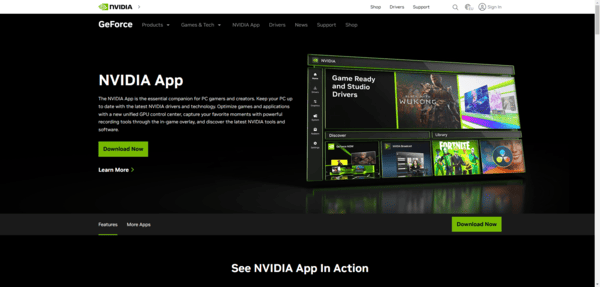
GeForce Experience
Downloads GeForce Experience from Official Website
Open and installs the latest NVIDIA drivers
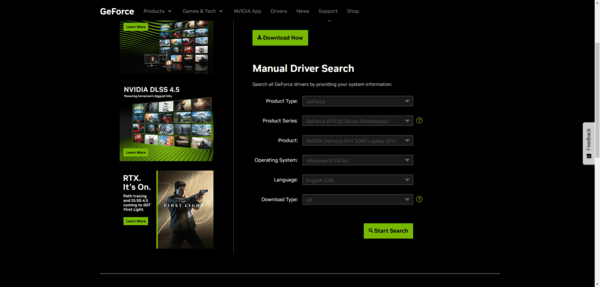
Manual installation
Download from the NVIDIA website, select Custom → Clean Install, and restart your system
Restart PC after installation complete
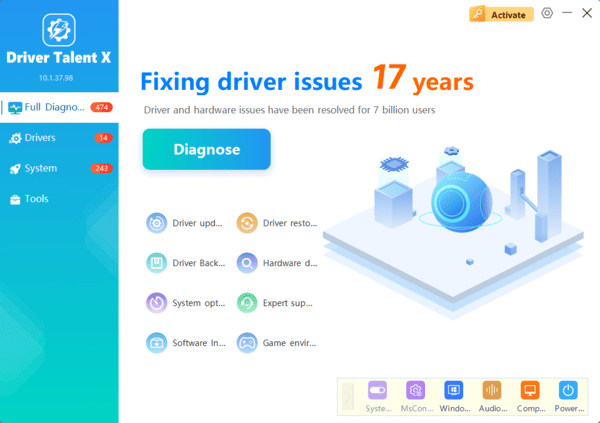
Using Driver Talent X
One-click reinstall and repair
Automatically detects missing or corrupted drivers, updates them, and restores system stability
Reinstalling immediately ensures your GPU performs correctly without display or performance issues.
Frequently Asked Questions
Should I uninstall the old NVIDIA driver before installing a new one?
Routine updates usually do not require uninstalling the old driver. A complete removal is recommended when updates fail or when you experience crashes, screen flickering, corrupted drivers, or performance problems.
What should I do if the screen turns black after uninstalling the NVIDIA driver?
Wait a few minutes and restart the computer. If the display remains black, enter Safe Mode, remove leftover driver components, and reinstall a compatible NVIDIA driver.
Which NVIDIA components should I keep after uninstalling the graphics driver?
Keep PhysX if your games require it. NVIDIA HD Audio is only needed for sound through HDMI or DisplayPort, while GeForce Experience and the NVIDIA app are optional.
Conclusion
Uninstalling NVIDIA drivers on Windows 11 is often necessary to fix crashes, corruption, or prepare for a clean driver update. By following these methods—Device Manager, Windows Settings, DDU, and professional tools like Driver Talent X—you can safely remove NVIDIA drivers and maintain system stability. Routine maintenance, backups, and careful reinstallations guarantee that your GPU continues to perform at its best, whether for gaming, creative work, or daily computing tasks.